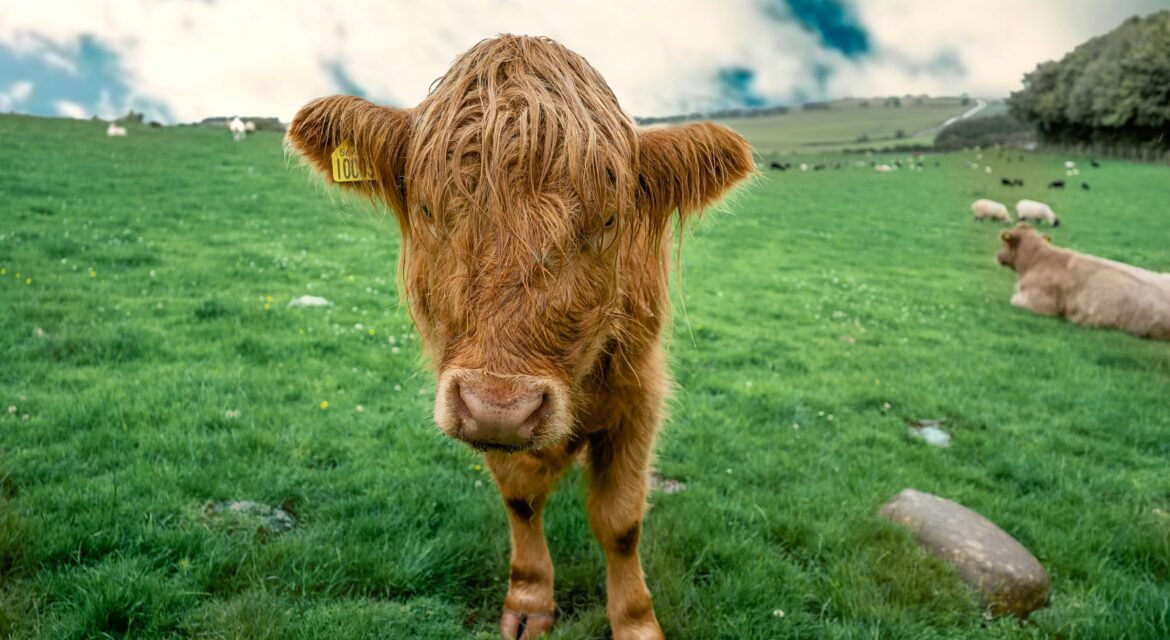
If you’ve ever browsed a cattle sale catalog and seen numbers like “CED +12, BW -0.5, WW +68, YW +112, Milk +28” printed beneath a bull’s name — you were looking at EPDs. And if those numbers meant nothing to you, you likely overpaid for that bull or passed on an animal that could have transformed your calf crop.
EPDs — Expected Progeny Differences — are the single most powerful tool available to cattle buyers in 2026. They are the reason registered Angus cattle for sale command premium prices over commercial stock, and the reason ranchers who invest in verified genetics consistently out-earn those who buy on looks alone. With more than 84 million datapoints behind them, the EPDs and indexes on a registered Angus animal allow buyers to make breeding and purchasing decisions with unmatched confidence.
This guide explains exactly what EPDs are, which ones matter most for your operation, how to read them before you buy registered Angus cattle for sale, and where to find quality registered Angus bulls and heifers for sale in the USA right now.
What Are EPDs in Cattle — The Plain-English Explanation
An EPD (Expected Progeny Difference) is a prediction of how the future offspring of a particular animal will perform relative to the offspring of other animals in the same breed database. It is expressed as a plus or minus number in the relevant unit of measure.
Here’s the simplest way to understand it:
If Bull A has a Weaning Weight EPD of +68 and Bull B has a Weaning Weight EPD of +48, you can expect Bull A’s calves to weigh on average 20 pounds more at weaning than Bull B’s calves, assuming they are mated to similar cows. For example, if bull A has a weaning EPD of +30 lb. and bull B has a weaning EPD of +20 lb., if you randomly mate these bulls in your herd, you could expect bull A’s calves to weigh, on average, 10 lb. more at weaning than bull B’s progeny.
That 20-pound difference per calf multiplied across 30 cows in a single breeding season is 600 pounds of additional weaning weight. At $3.64 per pound (2026 feeder cattle prices), that’s $2,184 in additional revenue from one bull in one breeding season. Over a 5-year productive bull life, that same genetics decision is worth over $10,000 in cumulative calf value before accounting for improvements in calving ease, feed efficiency, or carcass quality.
This is why serious ranchers don’t just buy bulls on appearance. They buy registered black angus cattle for sale with documented EPDs backed by breed association data. The American Angus Association is the world’s largest beef breed registry and the authoritative source for all registered Angus EPD data in the USA.
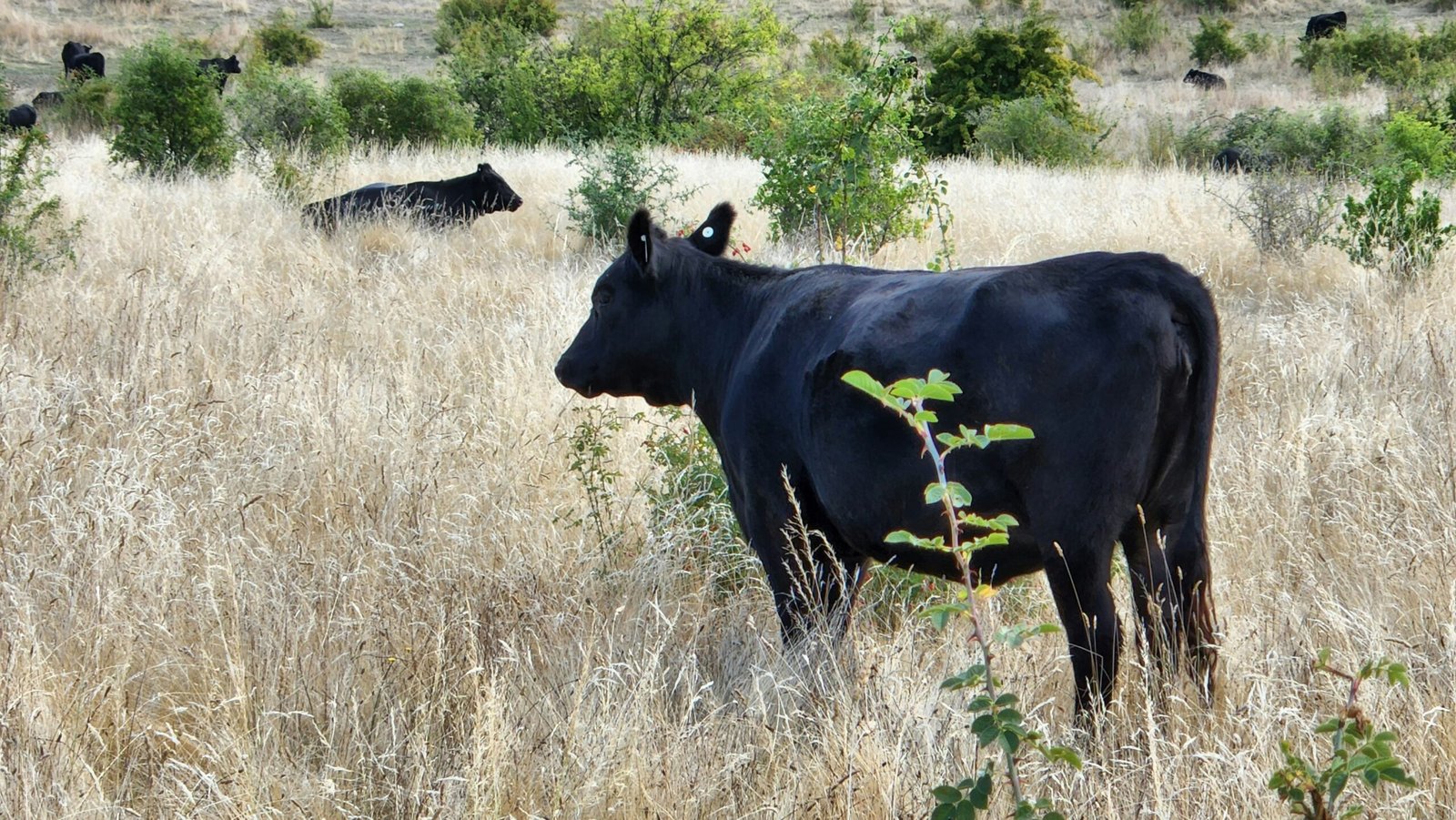
How EPDs are calculated
EPDs are calculated by breed associations using statistical models that incorporate an animal’s own performance records, the records of its ancestors, its siblings, and most importantly its progeny. The EPD prediction of genetic merit for a trait is the best indicator of expected performance of future progeny, which is expressed as deviation from the population’s base value.
The American Angus Association’s National Cattle Evaluation (NCE) runs weekly, updating EPDs as new performance data is submitted. The American Angus Association’s genetic evaluation is based on the most extensive single breed database in the world, with more than 84 million datapoints. No other beef breed in the USA has a comparable database which is one of the core reasons registered black angus cattle for sale are the most trusted genetics investment in the US cattle industry.
What is EPD accuracy?
Every EPD comes with an accuracy value expressed as a decimal between 0 and 1.00. Accuracy reflects the precision of a prediction for a given animal’s EPD and provides a level of confidence for that animal’s genetic merit. Bulls with greater accuracy values may be called “proven sires.”
- Accuracy 0.00–0.35: Young bulls with limited data — pedigree-estimated only. Low confidence but valuable for breed direction.
- Accuracy 0.36–0.65: Bulls with some progeny data. Moderate confidence.
- Accuracy 0.66–0.85: Proven sires with substantial progeny records. High confidence.
- Accuracy 0.86–1.00: Highly proven bulls with extensive progeny data. Maximum confidence.
When buying registered Angus bulls for sale, balance accuracy with EPD value. A young bull with promising EPDs at lower accuracy may outperform a proven sire — or he may not. Higher-accuracy animals carry less risk but are typically priced accordingly.
What are Genomic-Enhanced EPDs (GE-EPDs)?
Genomic testing has revolutionized EPD accuracy for young animals. When a producer buys a young bull that has GE-EPDs, he is buying with the same level of confidence in that animal as one that has already sired between 10 and 36 calves, depending on the trait. GE-EPDs increase accuracy in those animals much earlier in their lives.
For buyers of registered Angus bulls for sale, a yearling bull with genomic-enhanced EPDs is a significantly more reliable investment than an ungenomically-tested yearling. The additional cost of genomic testing is typically $28 per animal — trivial relative to the risk reduction it provides on a $6,000–$15,000 bull purchase.
The 10 Most Important EPDs Every Registered Angus Cattle Buyer Must Know
Not all EPDs carry equal weight for every operation. Here are the 10 most commercially significant EPDs for buyers of registered Angus cattle for sale in the USA, organized by production stage.
Birth and Calving EPDs
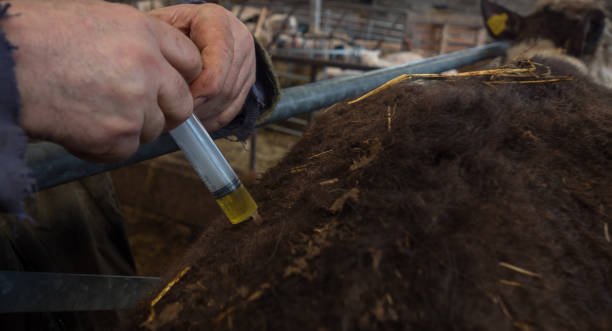
1. Calving Ease Direct (CED) Expressed as a percentage, CED predicts the likelihood of unassisted calving when the bull is mated to heifers. A higher CED value is more favorable. For buyers of registered Angus heifers for sale or anyone running first-calf heifers, CED is arguably the most financially important EPD — a single difficult calving can cost $200–$600 in labor, veterinary intervention, and lost calf value.
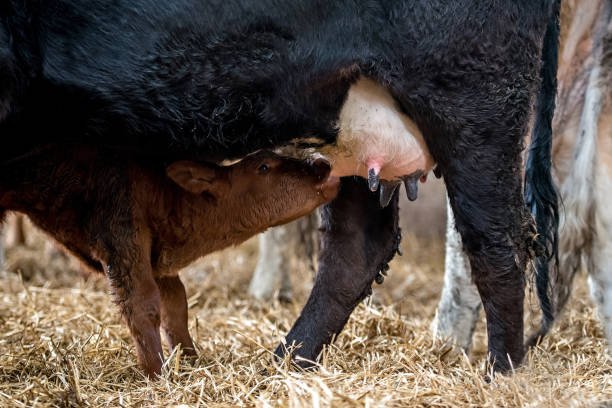
2. Birth Weight (BW) Expressed in pounds, BW predicts the difference in birth weight of a sire’s progeny. Lower BW is generally more favorable for calving ease, particularly in heifer matings. However, BW must be evaluated alongside CED — some bulls with higher BW still produce easy-calving calves due to calf shape and presentation.
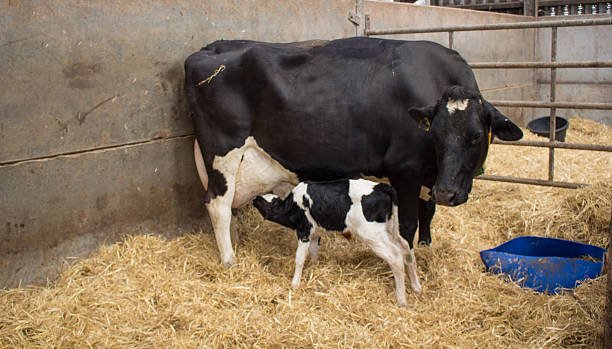
3. Calving Ease Maternal (CEM) CEM predicts the calving ease of a bull’s daughters when they give birth as first-calf heifers. For operations retaining replacement heifers from registered Angus cattle for sale, CEM is a critical long-term genetics investment daughters that calve easily stay in the herd longer and produce more lifetime calves.
Growth EPDs
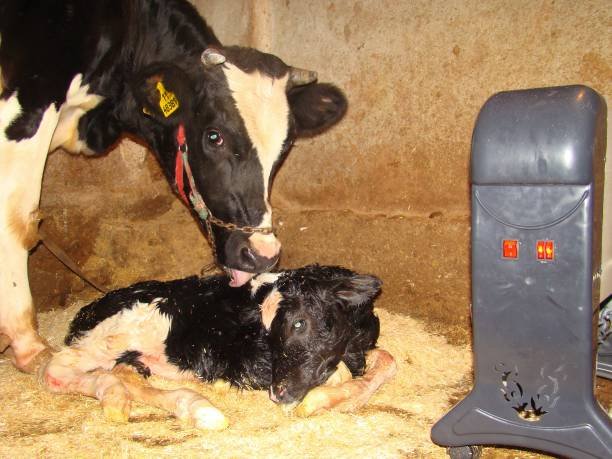
4. Weaning Weight (WW) Expressed in pounds, WW predicts the difference in weaning weight of a sire’s progeny at approximately 205 days. This is the single most commercially direct EPD for cow-calf producers selling feeder calves — higher WW translates directly to more pounds sold at weaning. At 2026 feeder cattle prices of $364/cwt, every additional 10 pounds of weaning weight per calf is worth $36.40 at the scale.
5. Yearling Weight (YW) YW predicts the difference in yearling weight of a sire’s progeny at approximately 365 days. Critical for backgrounding and stocker operations. Buyers who purchase registered Angus cattle for sale to use in a retained ownership program should weight WW and YW heavily.
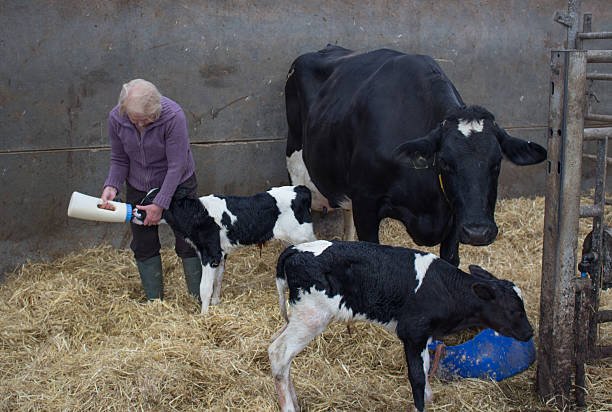
6. Dry Matter Intake (DMI) DMI predicts the expected difference in daily feed consumption of progeny. Lower DMI is more favorable — cattle that eat less while maintaining growth rates are more feed efficient and more profitable in a feedlot setting. DMI is gaining traction as feed costs remain a major operating expense for US beef operations.
Maternal EPDs
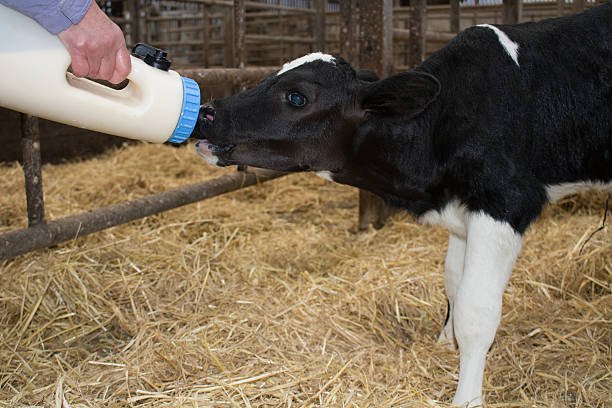
7. Maternal Milk (Milk) Expressed in pounds, Milk predicts the difference in weaning weight of a sire’s daughters’ calves due to milking ability. This is a maternal trait it measures how the bull’s daughters will perform as dams. For cow-calf producers building their own replacement heifer program from registered Angus cattle for sale, Milk is one of the most important long-term genetics investments you can make.
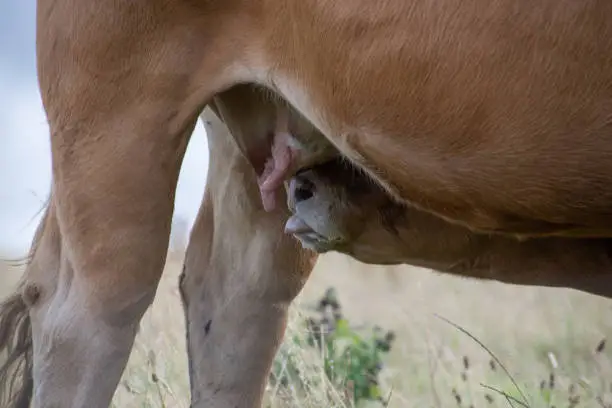
8. Heifer Pregnancy (HP) HP predicts the probability that a sire’s daughters will become pregnant as yearling heifers. Expressed as a percentage, higher is better. Fertility is the foundation of any profitable cow-calf operation for a cow to maintain productivity, she needs to have a calf every year. Improving weaning weights is important but does not compare to high pregnancy and weaning rates in terms of contribution to overall success.
Carcass EPDs
9. Marbling (Marb) Marbling predicts the difference in intramuscular fat (marbling score) of a sire’s progeny at harvest. Higher marbling is more favorable for Certified Angus Beef® (CAB) premiums. Only calves out of registered Angus bulls are eligible for programs like AngusLink, which paid an average premium of $20.92/cwt in FY2025. Buyers who retain ownership through the feedlot should prioritize Marbling EPDs heavily.
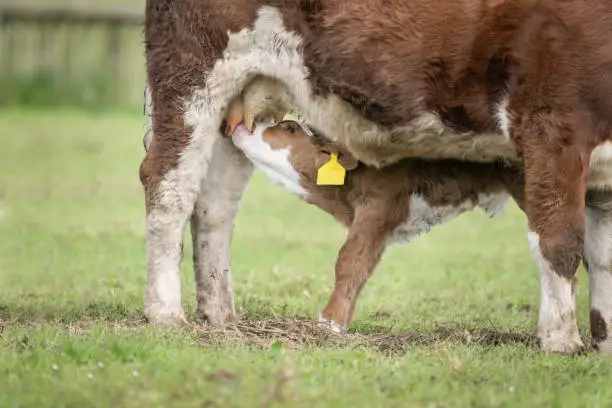
10. Ribeye Area (REA) REA predicts the difference in ribeye area at the 12th–13th rib in square inches. Larger ribeye is generally more favorable for yield grade. Combined with Marbling, REA helps buyers identify registered Angus genetics that will consistently hit quality grade premiums at the packing plant.
Registered Black Angus vs. Registered Red Angus Cattle for Sale: Which Color Is Right for Your Operation?
One of the most common questions buyers ask when searching for registered angus cattle for sale is whether to choose registered black angus cattle for sale or registered red angus cattle for sale. The answer depends more on your market and your EPD priorities than on coat color alone.
Registered black angus cattle for sale
Black Angus is the dominant color in the US beef industry the most widely recognized, the most heavily registered, and the most deeply supported by programs like Certified Angus Beef® (CAB®). The Certified Angus Beef brand requires that cattle be at least 51% black-hided, making registered black angus cattle for sale the foundation of any CAB-targeted production program.
Calves sired by registered black angus bulls consistently qualify for CAB® premium programs at the packing plant one of the highest-value marketing tools available to US beef producers. Buyers searching for registered black angus cattle for sale near me will find the widest selection and the most established market infrastructure of any Angus color.
At Livestock Farm USA, our registered black angus cattle for sale include bulls, heifers, and cow-calf pairs with full American Angus Association registration papers and documented EPDs.
Registered red angus cattle for sale
The Red Angus is genetically identical to Black Angus except for coat color a single recessive gene determines red versus black pigmentation. In terms of EPD structure, genetic evaluation, and breed performance, registered red angus cattle for sale offer equivalent genetic potential to black Angus animals.
Red Angus cattle have a devoted following among producers who value their documented history of selection for fertility, maternal efficiency, and heat tolerance. The Red Angus Association of America (RAAA) maintains its own genetic evaluation system and EPD database comparable in structure to the American Angus Association’s system.
Registered red angus cattle for sale may carry a slight market discount compared to black Angus in some regions due to CAB® color requirements but in states where Red Angus genetics are well established (particularly in the South and Southwest), this gap is narrowing. Many producers run Red Angus bulls on black-hided cows specifically to produce black-hided F1 calves that qualify for CAB® while capturing Red Angus maternal genetics through the daughters.
The registered angus cattle for sale comparison
| Feature | Registered Black Angus | Registered Red Angus |
|---|---|---|
| CAB® eligibility (calves) | ✓ Yes — 51% black-hided | Depends on dam color |
| AngusLink program eligibility | ✓ Yes | ✗ No — separate RAAA programs |
| EPD database size | 84+ million datapoints | Extensive — RAAA database |
| Heat tolerance | Moderate | Slightly superior |
| Market premium availability | Widest nationally | Regional — strongest in South |
| Maternal efficiency | Excellent | Excellent — historically selected |
| Best for | CAB®-targeted programs, national markets | Maternal herds, southern/southwestern operations |
Finding Registered Angus Cattle for Sale Near Me and Across the USA
One of the most common search patterns among cattle buyers is “registered black angus cattle for sale near me” — reflecting the preference for local inspection and reduced transport costs. Here’s how to find quality registered angus cattle for sale whether you’re looking locally or nationally.
Searching locally — registered angus cattle for sale near me
For buyers searching for registered black angus cattle for sale near me, the best starting points are:
- American Angus Association’s Herd Locator — search registered Angus breeders by state and region
- State beef cattle associations — most states maintain directories of registered seedstock producers
- Local extension offices — USDA Extension Services maintain lists of registered cattle producers by county
- Farm Bureau classifieds — state Farm Bureau listings often carry private treaty registered cattle listings
Local purchases allow in-person evaluation, eliminate shipping costs, and often include an ongoing relationship with the seller for future purchases and genetic guidance.
Registered angus cattle for sale SD and the Northern Plains market
The Northern Plains — particularly South Dakota — is one of the most productive registered Angus cattle regions in the USA. Buyers searching for registered angus cattle for sale SD will find a deep pool of quality seedstock producers with generations of documented Angus genetics. South Dakota’s climate and grass-based production systems produce naturally hardy, efficient Angus cattle well-suited to diverse US environments.
Key resources for registered angus cattle for sale SD include the South Dakota Cattlemen’s Association and the American Angus Association’s regional sale calendar covering the Northern Plains states.
Buying registered angus cattle for sale nationally
For buyers who can’t find the specific genetics they need locally — whether registered black angus cattle for sale near me or registered red angus cattle for sale in a specific genetic line — national purchasing through licensed farm sellers like Livestock Farm USA opens access to quality animals regardless of geography.
Livestock Farm USA ships registered angus cattle for sale across all 48 contiguous states. Every animal travels with a current USDA health certificate, Coggins test, vaccination records, and American Angus Association registration papers. Contact us with your zip code and we’ll coordinate transport logistics directly.
Browse registered Angus cattle for sale at Livestock Farm USA — ships nationwide →
EPD values are powerful individually but evaluating 20+ traits simultaneously is complex. The American Angus Association publishes dollar value indexes — called $Values — that combine multiple EPDs into a single economic number tailored to specific production systems. These are among the most valuable tools for buyers of registered Angus cattle for sale.
$M — Maternal Weaned Calf Value
$M combines EPDs for calving ease, milk, growth, and cow efficiency to predict the profitability of a sire’s daughters as productive cows, based on sale of weaned calves. $M provides an indication of expected maternal ability and profit based on sale of weaned calves. For cow-calf producers retaining replacement heifers, $M is the single most comprehensive selection index available.
$F — Feedlot Value
$F combines growth and feed efficiency EPDs to predict profitability in the feedlot. Essential for buyers who retain ownership through harvest or who sell feeder calves directly to feedlot operators on a value-added basis.
$G — Grid Value
$G predicts the carcass value of a sire’s progeny when marketed on a quality-based carcass merit grid. High $G animals are those most likely to earn CAB® and Prime premiums at the packing plant — translating directly to premiums for their producers.
$B — Beef Value
$B combines $F and $G to predict total value of progeny from the feedlot gate through carcass merit. For operations retaining ownership through harvest, $B is the most comprehensive single-number selection tool.
$C — Combined Value
$C combines $M and $B to provide a whole-system profitability index — from cow efficiency through carcass merit. For seedstock producers and buyers of registered Angus cattle for sale who want a single number that reflects total genetic value across all stages of production, $C is the most complete selection index available.
Why Registered Angus Cattle for Sale Outperform Commercial Stock
The case for buying registered Angus cattle for sale over commercial or unregistered alternatives comes down to three compounding advantages: verified genetics, market premiums, and herd improvement speed.
Verified genetics mean predictable performance
Registered Angus cattle for sale come with documented pedigrees, verified parentage, and EPDs backed by the American Angus Association’s 84-million-datapoint database. Commercial cattle even those that appear phenotypically Angus carry no such verification. When you buy registered Angus cattle for sale, you know exactly what genetics you’re investing in. When you buy unregistered animals, you are guessing.
Over a 10-year cow herd, the cumulative difference in predictable genetic progress between a registered program and an unregistered one compounds dramatically. Operations that consistently use registered Angus bulls for sale with strong EPDs improve their herd’s weaning weight, calving ease, and carcass quality year over year building an asset that increases in value rather than drifting.
Market premiums for registered Angus calves
Calves sired by registered Angus bulls consistently earn market premiums over unverified calves. AngusLink cattle claim high bids on the sale block at Oklahoma National Stockyards. At the biannual Angus Feeder Special, 600-pound steers that were weaned, vaccinated and sired by registered Angus bulls brought $240–$276 per hundredweight, with a weighted average of $252 per cwt. That’s a meaningful premium over non-verified calves of similar weight directly attributable to the registered genetics behind them.
Genetic improvement compounds across generations
Unregistered commercial cattle improve slowly and inconsistently because there is no systematic selection pressure and no verified genetic baseline. Registered Angus cattle for sale allow producers to identify and select for specific traits across generations stacking weaning weight on weaning weight, calving ease on calving ease in a measurable, documented progression. Contemporary dairy cows yield over twice the milk produced by their counterparts from 50 years ago, with more than half of this enhancement attributable to genetic selection. The same principle applies to beef cattle genetics improvement is permanent and cumulative when based on verified registered genetics.
What to Look for When Buying Registered Angus Cattle for Sale
Whether you’re buying registered Angus bulls for sale, registered Angus heifers for sale, or cow-calf pairs, these are the non-negotiable evaluation criteria every serious buyer should apply.
Match EPDs to your operation’s goals
The biggest mistake buyers of registered Angus cattle for sale make is selecting bulls on overall genetic rankings rather than matching EPDs to their specific operation. Each beef operation is different and has different goals. Not all genetics will work for every farm. Make selections and culling decisions to find cows that work for you.
If you’re mating to heifers CED and BW are your first filter. If you’re selling weaned calves WW and $M drive your selection. If you retain ownership to harvest Marbling, $G, and $B matter most. Define your operation’s goal before you open a sale catalog.
Evaluate both EPDs and phenotype
EPDs predict genetic transmission not the animal in front of you. A registered Angus bull for sale with strong EPDs but poor structural soundness, bad feet, or a compromised reproductive tract will not deliver on his genetic potential. Evaluate every animal physically: feet and legs, scrotal circumference, body condition, and temperament, alongside his EPD profile.
Verify registration papers
Legitimate registered Angus cattle for sale come with American Angus Association registration papers. The registration number can be verified at angus.org’s animal search tool look up the animal’s EPDs, pedigree, and progeny data directly in the Association’s database before purchase. For registered red angus cattle for sale, verify through the Red Angus Association of America at redangus.org. At Livestock Farm USA, all registration papers are provided at time of sale with complete verification.
Check accuracy values on young bulls
Young registered Angus bulls for sale with low accuracy EPDs are legitimate investments, but the uncertainty is real. If you are buying a yearling bull with accuracy values of 0.20–0.35, you are investing in a genetic direction not a guarantee. Balance this risk against price high-accuracy proven sires command premiums that reflect their reduced uncertainty.
Request breeding soundness exam results
Any reputable seller of registered Angus bulls for sale will provide a current Breeding Soundness Exam (BSE) result. A passing BSE confirms minimum sperm motility, morphology, and physical reproductive soundness. A bull that fails his BSE regardless of how strong his EPDs are cannot fulfill his genetic potential if he cannot breed cows efficiently.
How Much Do Registered Angus Cattle Cost in 2026?
The registered Angus market in 2026 is strong reflecting both the tight US cattle supply and the continued strong demand for verified genetics. Here is what buyers of registered Angus cattle for sale should expect to pay:
| Animal Type | 2026 Price Range |
|---|---|
| Registered Angus yearling bull | $4,500–$8,000 |
| Registered Angus 2-year-old bull | $6,000–$15,000+ |
| Proven registered Angus sire (high-accuracy) | $10,000–$25,000+ |
| Registered Angus open heifer | $2,500–$5,000 |
| Registered Angus bred heifer | $4,000–$7,000 |
| Registered Angus cow-calf pair | $4,600–$6,100 |
| Registered Angus bred cow | $3,500–$6,500 |
Average registered Angus bull prices were up $2,400 in the first quarter of the 2026 fiscal year, even as producers sold 1,000 more head — and females were up an additional $1,800. The market is rewarding quality registered genetics at every level — making now an excellent time to sell registered animals, and making careful EPD-based selection more important than ever for buyers.
At Livestock Farm USA, our registered Angus cattle for sale are priced to reflect genuine documented genetics — not auction-floor speculation. We carry registered Angus bulls for sale, registered Angus heifers for sale, and registered cow-calf pairs across a range of budgets. Browse our current registered cattle inventory →
Registered Angus Bulls vs. Commercial Angus Bulls: Is the Premium Worth It?
This is the question every buyer of cattle asks at some point and the answer, for most operations, is yes. Here is the financial case in plain numbers.
A commercial Angus bull in 2026 might cost $3,000–$4,500 with no EPD documentation. A registered Angus bull for sale with strong EPDs might cost $6,000–$8,000. The $3,000 price difference sounds significant but consider what that investment produces:
At 30 cows per bull and a WW EPD advantage of +20 lbs (conservative for quality registered Angus bulls for sale), the registered bull produces 600 extra pounds of weaned calves per season. At $3.64/cwt, that’s $218 more revenue per breeding season from weaning weight alone. Over a 5-year bull life: $1,090 in additional weaning weight revenue.
Add the AngusLink premium of $20.92/cwt on 600-lb calves that’s $125 per calf × 30 calves = $3,750 per season in market premiums, or $18,750 over 5 years that the commercial bull’s calves will never capture.
Total 5-year advantage of the registered Angus bull over commercial: $19,840+ — from a $3,000 price difference. The math is not close.
Where to Buy Registered Angus Cattle for Sale in the USA
Finding quality registered Angus cattle for sale requires going beyond the local auction barn. Here are the primary sources for buyers in 2026:
Registered farm sellers — the most reliable source
Licensed farm sellers like Livestock Farm USA offer registered Angus cattle for sale with full documentation, health records, and direct seller communication. Buying directly from a registered farm gives you the opportunity to ask detailed questions about EPD selection strategy, the cow herd behind the bull, and the farm’s health protocols information that is impossible to obtain at an auction.
Browse registered Angus cattle for sale at Livestock Farm USA →
American Angus Association sale calendar
The American Angus Association maintains a national sale calendar listing registered bull sales, female sales, and production sales across the USA. These sales are excellent sources of high-quality registered black angus cattle for sale with full EPD documentation and competitive bidding.
Private treaty sales
Many registered Angus breeders sell the majority of their cattle through private treaty one buyer, one seller, negotiated price. Private treaty sales typically offer more time for evaluation, more direct seller access, and sometimes better prices than competitive auction environments. For buyers searching for registered black angus cattle for sale near me, private treaty purchases from local registered breeders eliminate shipping costs entirely.
Online registered cattle platforms
Platforms like LiveAuctions.tv, CattleUSA, and the American Angus Association’s marketplace allow buyers to access registered angus cattle for sale nationally with EPD data, photos, and video available before bidding. For buyers in regions with limited local seedstock availability, buying registered black angus cattle for sale online opens access to national-quality genetics including registered angus cattle for sale SD and other major producing regions.
Frequently Asked Questions About EPDs and Registered Angus Cattle for Sale
What does EPD mean in cattle buying? EPD stands for Expected Progeny Difference. It predicts how an animal’s future offspring will perform relative to offspring of other animals in the same breed. EPDs are expressed as plus or minus values in the relevant unit pounds for weight traits, percentage for calving ease and heifer pregnancy. When buying registered Angus cattle for sale, EPDs are your most reliable tool for predicting calf performance before a single calf is born.
Why should I buy registered Angus cattle for sale instead of commercial cattle? Registered Angus cattle for sale come with verified genetics, documented pedigrees, and EPDs backed by 84 million datapoints in the American Angus Association database. Commercial cattle even phenotypically Angus carry none of this verification. Calves sired by registered Angus bulls consistently earn market premiums of $20+ per cwt over unverified calves, compounding the value of the genetics investment across every breeding season.
What EPDs should I prioritize when buying a registered Angus bull for sale? It depends on your operation. For cow-calf producers mating to heifers: prioritize CED and BW first. For producers selling weaned calves: WW and $M drive selection. For retained ownership through the feedlot: Marbling, $G, and DMI are most valuable. For building replacement heifers: Milk, HP, and CEM matter most. Define your production goal first, then filter registered Angus bulls for sale accordingly.
How do I verify that registered Angus cattle for sale are genuinely registered? Ask for the American Angus Association registration number and look it up directly at angus.org’s animal search the EPD lookup tool is publicly accessible. The animal’s pedigree, EPDs, and registration status will be displayed. For registered red angus cattle for sale, verify through the Red Angus Association of America. At Livestock Farm USA, all registered Angus cattle for sale come with complete registration papers and we encourage buyers to verify every animal’s information directly with the relevant breed association before purchase.
What is a good EPD for calving ease in registered Angus cattle? For Calving Ease Direct (CED) in registered Angus cattle, the breed average is approximately +7. Bulls above +10 CED are considered calving ease bulls suitable for heifer matings. Bulls above +15 CED are exceptional heifer bulls. For operations mating bulls to first-calf heifers, we recommend selecting registered Angus bulls for sale with CED of +10 or higher and BW of -1.0 or lower to minimize calving difficulty.
Can I buy registered Angus cattle for sale online and have them shipped to my state? Yes. Livestock Farm USA sells and ships registered angus cattle for sale across the USA — including registered black angus cattle for sale, registered red angus cattle for sale, and registered angus cattle for sale SD sourced from top Northern Plains genetics. Every animal travels with a current health certificate, Coggins test, vaccination records, and American Angus Association registration papers. Buyers searching for registered black angus cattle for sale near me are welcome to arrange an in-person visit to our farm in Greenville, TN. Contact us with your location for a shipping estimate and timeline. Buy registered Angus cattle online at Livestock Farm USA →
What is the difference between a registered Angus bull and an AngusLink bull? A registered Angus bull is any bull whose parentage and genetics are documented by the American Angus Association. An AngusLink bull is a registered black angus bull whose calves are enrolled in the AngusLink marketing program which provides a Genetic Merit Scorecard and AngusVerified documentation that buyers can use to market calves at a premium. AngusLink bulls paid an average premium of $20.92/cwt on enrolled calves in FY2025, making the program one of the highest-returning marketing tools available to commercial cow-calf producers. Contact Livestock Farm USA to ask about the registered Angus genetics status of specific animals in our inventory.
Browse Registered Angus Cattle for Sale at Livestock Farm USA
Livestock Farm USA offers registered Angus cattle for sale across the USA including registered black angus cattle for sale, registered red angus cattle for sale, registered Angus bulls for sale, registered Angus heifers for sale, bred heifers, and cow-calf pairs all sourced from documented American Angus Association registered herds. Whether you’re searching for registered black angus cattle for sale near me or quality registered angus cattle for sale SD genetics shipped nationwide, every animal comes with full registration papers, a current health certificate, vaccination records, and direct seller support from inquiry through delivery.
For additional guidance on EPD selection before you buy, the Penn State Extension EPD guide and UMN Extension beef cattle genetics resource are excellent free references.
Currently available registered Angus cattle for sale:
- Registered Angus bulls for sale yearlings and 2-year-olds with EPD documentation
- Registered Angus heifers for sale — open, bred, and pairs
- Registered bred cows with verified genetics and production history
- Cow-calf pairs from registered Angus herds
Our team responds to all inquiries within one business day and can help you match the right registered Angus genetics to your specific operation, goals, and budget.
Shop Registered Angus Cattle for Sale — Browse Current Inventory →
Ready to talk genetics before you buy? Contact our team today → — we’ll walk you through EPD selection for your specific production system and match you with registered Angus cattle for sale that deliver on your herd improvement goals.
About the Author
Joe Wissel is a livestock genetics specialist and farm writer at Livestock Farm USA. He covers beef cattle genetics, EPD selection, registered Angus cattle markets, and herd improvement strategies for commercial and seedstock producers across the United States. His work draws on American Angus Association data, USDA research, and direct experience helping buyers find the right registered Angus cattle for sale for their operations.
Questions about registered Angus cattle for sale or EPD selection? Reach out to our team here.
Sources: American Angus Association — EPD Value Definitions 2026, American Angus Association — Breed Averages EPDs & $Values 2026, American Angus Association — Market Momentum Builds February 2026, Penn State Extension — Understanding EPDs and Genomic Testing in Beef Cattle, UMN Extension — Beef Cattle Genetics 2026, Beef Magazine — Unraveling Genomics April 2026, Certified Angus Beef — Brand Standards, Red Angus Association of America, Zoetis — HD 50K Angus Genomic Testing, South Dakota Cattlemen’s Association.
zimerov ertover
As soon as I detected this web site I went on reddit to share some of the love with them.