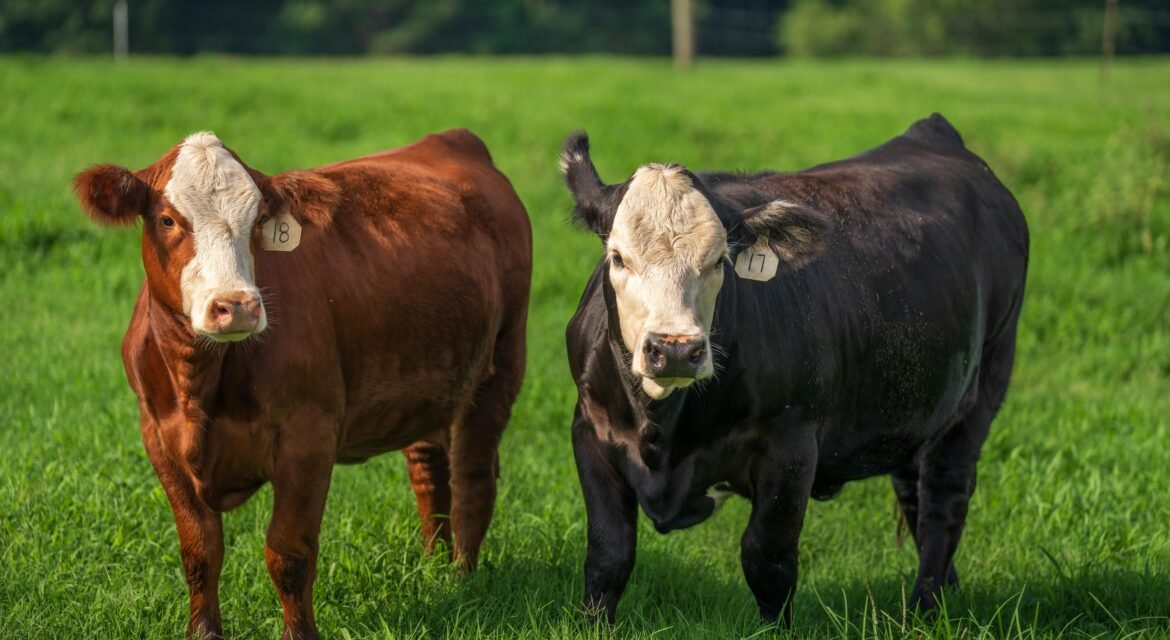
Grass-Fed vs. Grain-Fed Cattle is one of the biggest discussions shaping today’s American beef industry. The industry is booming, and with that growth comes increasing curiosity among buyers, farmers, and investors about what truly separates grass-fed beef from grain-fed beef. Whether you’re looking to buy cattle for sale, investing in farm land and livestock, or searching for the healthiest steak for your dinner table, understanding Grass-Fed vs. Grain-Fed Cattle has become more important than ever.
Understanding these differences goes far beyond simple taste preferences. It influences animal welfare practices, nutritional value, production costs, sustainability, and even essential resources such as livestock trailers, cattle insurance, and online livestock auctions that support modern beef production. This comprehensive guide breaks down every important aspect of Grass-Fed vs. Grain-Fed Cattle, helping you make informed decisions whether you are a consumer, experienced rancher, investor, or someone entering the livestock industry for the first time.
As consumer awareness continues to grow, buyers are becoming more selective about where their beef comes from and how cattle are raised. Many people now pay attention to feeding systems, production methods, and long-term environmental impact before making purchasing decisions. Farmers and ranchers are also adapting their operations to meet changing market demands, as some consumers prefer pasture-raised systems while others prioritize affordability and consistency in beef products.
For those entering the livestock business, understanding the distinction between grass-fed and grain-fed production can affect everything from operational costs to expected profit margins. Feed programs, land requirements, animal growth rates, and transportation logistics all play a role in determining success. Whether you are purchasing registered cattle for sale, researching cattle insurance options, exploring livestock auction online platforms, or evaluating potential farm land and livestock investments, having a clear understanding of these feeding systems can help you avoid costly mistakes and identify better opportunities in today’s competitive cattle market.
The Growing Demand for Quality Beef in the USA
Over the past decade, American consumers have become increasingly discerning about their food. Labels like “grass-fed,” “organic,” and “locally sourced” aren’t just marketing buzzwords—they’re guiding purchase decisions at supermarkets, butchers, and even online platforms. Data from the USDA and National Cattlemen’s Beef Association shows sustained growth in grass-fed beef demand, with specialty cuts and direct-to-consumer sales on the rise.
Why Buyers Compare Grass-Fed and Grain-Fed Cattle
Buyers—whether end consumers or large-scale retailers—are motivated by several factors:
- Health and nutrition: Concerns over fat content, omega-3 levels, and hormone use.
- Environmental sustainability: Lower carbon footprints and regenerative agriculture.
- Animal welfare: Interest in pasture-raised, ethically treated livestock.
- Taste and quality: Differences in flavor, texture, and marbling.
- Investment and profitability: Which feeding system yields better returns?
How Feeding Affects Profit and Quality
Feeding strategies impact not just the taste and nutritional value of beef, but also the economics of production. Grass-feeding often requires more time and acreage, but may command higher prices. Grain-finishing speeds up growth and can reduce production costs, but may not fetch the same premium. Understanding these tradeoffs is essential for buyers and sellers alike.
What Is Grass-Fed Beef?
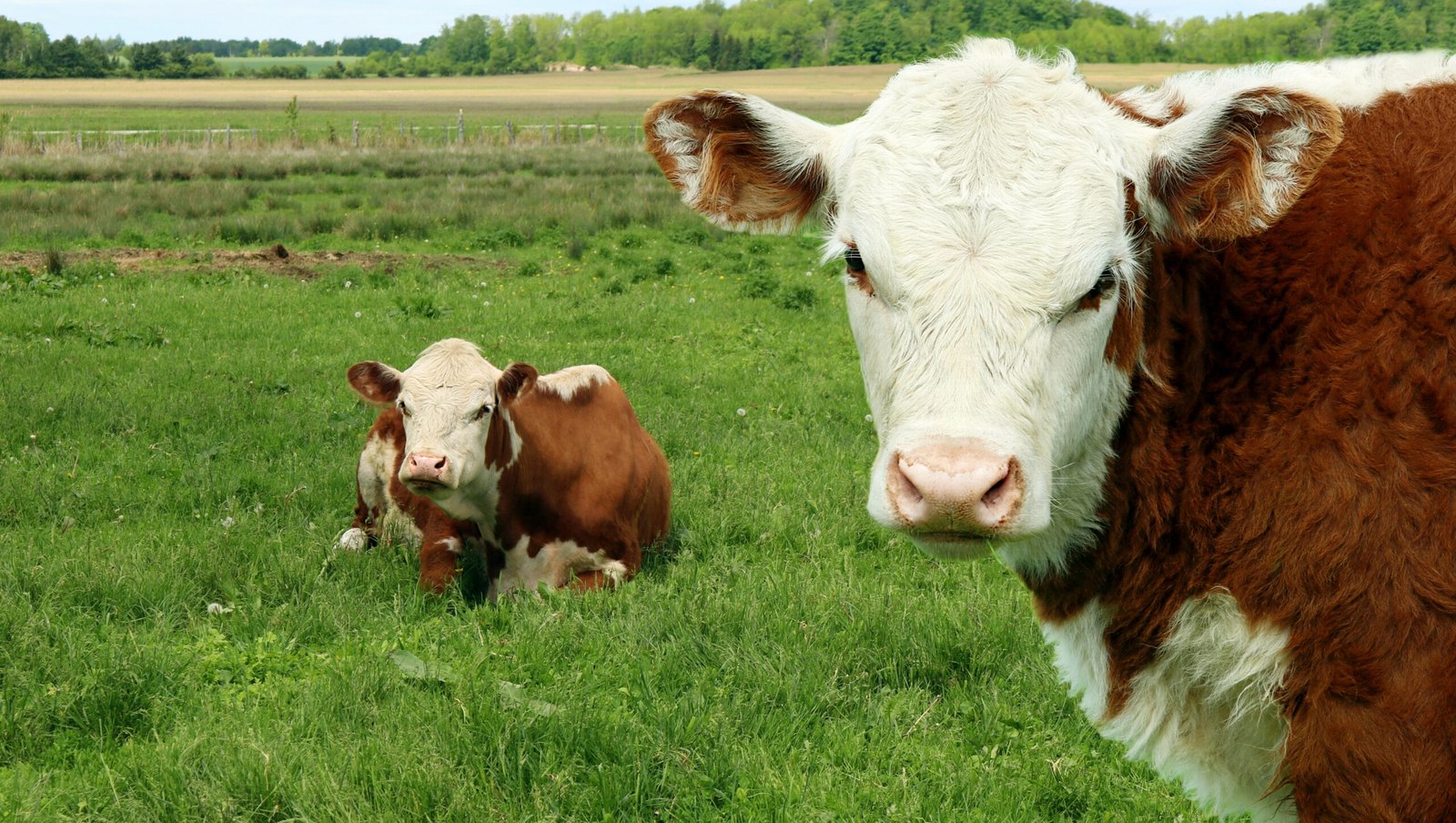
Grass-fed beef comes from cattle that spend most, if not all, of their lives grazing on grass and other forage. While the USDA’s definition has evolved, “grass-fed” typically means that the animal’s diet consists largely of grass after weaning, with minimal grain supplementation.
The Feeding Process
- Calving and Weaning: Calves nurse, then transition to grass-based diets.
- Pasture Grazing: Cattle roam open pastures, eating a variety of grasses, legumes, and forbs.
- Rotational Grazing: Many producers use rotational systems to maintain pasture health and soil fertility.
- Finishing: Animals are “finished” on grass, taking longer to reach market weight compared to grain-fed counterparts.
Typical Farming Methods
- Low Stocking Density: Prevents overgrazing, supports biodiversity.
- Pasture Management: Soil testing, reseeding, and weed control ensure nutritious forage.
- Minimal Medication: Lower reliance on antibiotics and growth hormones.
- Animal Welfare: Cattle experience less confinement and more natural behaviors.
Best Cattle Breeds for Grass Feeding
Certain breeds perform exceptionally well on grass diets:
- Angus: Renowned for marbling even in grass-fed systems; adaptable and hardy.
- Hereford: Efficient grazers, popular in regenerative agriculture.
- Simmental: Large frame, good growth rates, and high-quality beef.
- Charolais: Known for muscle development and adaptability to varying climates.
When browsing registered cattle for sale or considering farm land livestock investments, these breeds are often recommended for grass-based operations.
What Is Grain-Fed Beef?
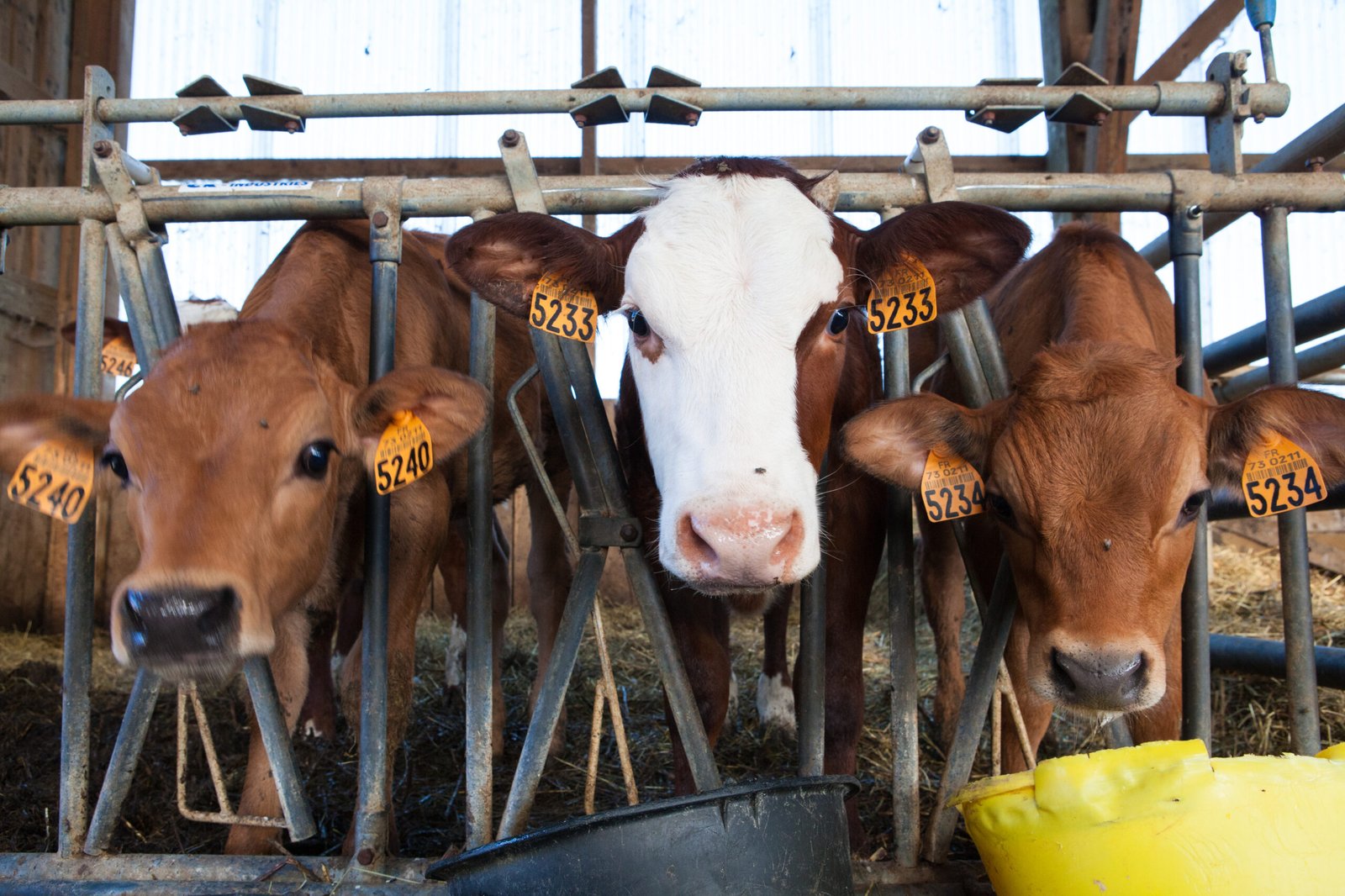
Grain-fed beef is produced from cattle that are initially pasture-raised but are later “finished” in feedlots on high-energy grain rations (typically corn and soy). This process is designed to accelerate weight gain and increase marbling.
The Feeding Process
- Early Life on Pasture: Calves spend the first 6-12 months grazing.
- Transition to Feedlot: Cattle are moved to feedlots where space is more controlled.
- Grain Feeding: Diets are rich in grains, often supplemented with vitamins, minerals, and sometimes growth promoters.
- Rapid Finishing: Animals reach slaughter weight faster, usually within 18 months.
Commercial Production Approach
- Higher Stocking Density: Feedlots allow more animals per acre.
- Precision Nutrition: Rations are scientifically balanced for rapid growth.
- Consistent Quality: Standardized feeding results in predictable beef quality.
- Resource Efficiency: Grain feeding maximizes output per acre, especially where pasture is limited.
Nutritional Comparison
Fat Content
- Grass-Fed: Lower in total fat, especially saturated fat. This can mean leaner cuts that appeal to health-conscious consumers.
- Grain-Fed: Higher fat content, especially intramuscular fat (marbling), which enhances flavor and tenderness.
Omega-3 Levels
Grass-fed beef stands out for its omega-3 content. These heart-healthy fats are linked to reduced inflammation and better cardiovascular health. Grain-fed beef, while still nutritious, offers significantly less omega-3.
Vitamins and Minerals
Both beef types are excellent sources of B vitamins, iron, and zinc. However, grass-fed beef often contains more:
- Vitamin E: A potent antioxidant.
- Beta-carotene (Vitamin A precursor): Gives the fat a yellowish hue.
- Other antioxidants: Derived from the diverse plants in pasture diets.
Table: Nutrient Snapshot
| Nutrient | Grass-Fed Beef | Grain-Fed Beef |
|---|---|---|
| Omega-3 Fats | Higher | Lower |
| Vitamin E | Higher | Lower |
| Total Fat | Lower | Higher |
| Beta-carotene | Higher | Lower |
| Saturated Fat | Lower | Higher |
Expert Insight
Dr. Jane Smith, a nutritionist at the University of Nebraska, notes:
“The nutritional differences between grass-fed and grain-fed beef, while significant, should be considered as part of a balanced diet. Consumers looking to boost their intake of healthy fats and antioxidants may prefer grass-fed beef, but both types offer high-quality protein and essential nutrients.”
Taste and Meat Quality Comparison
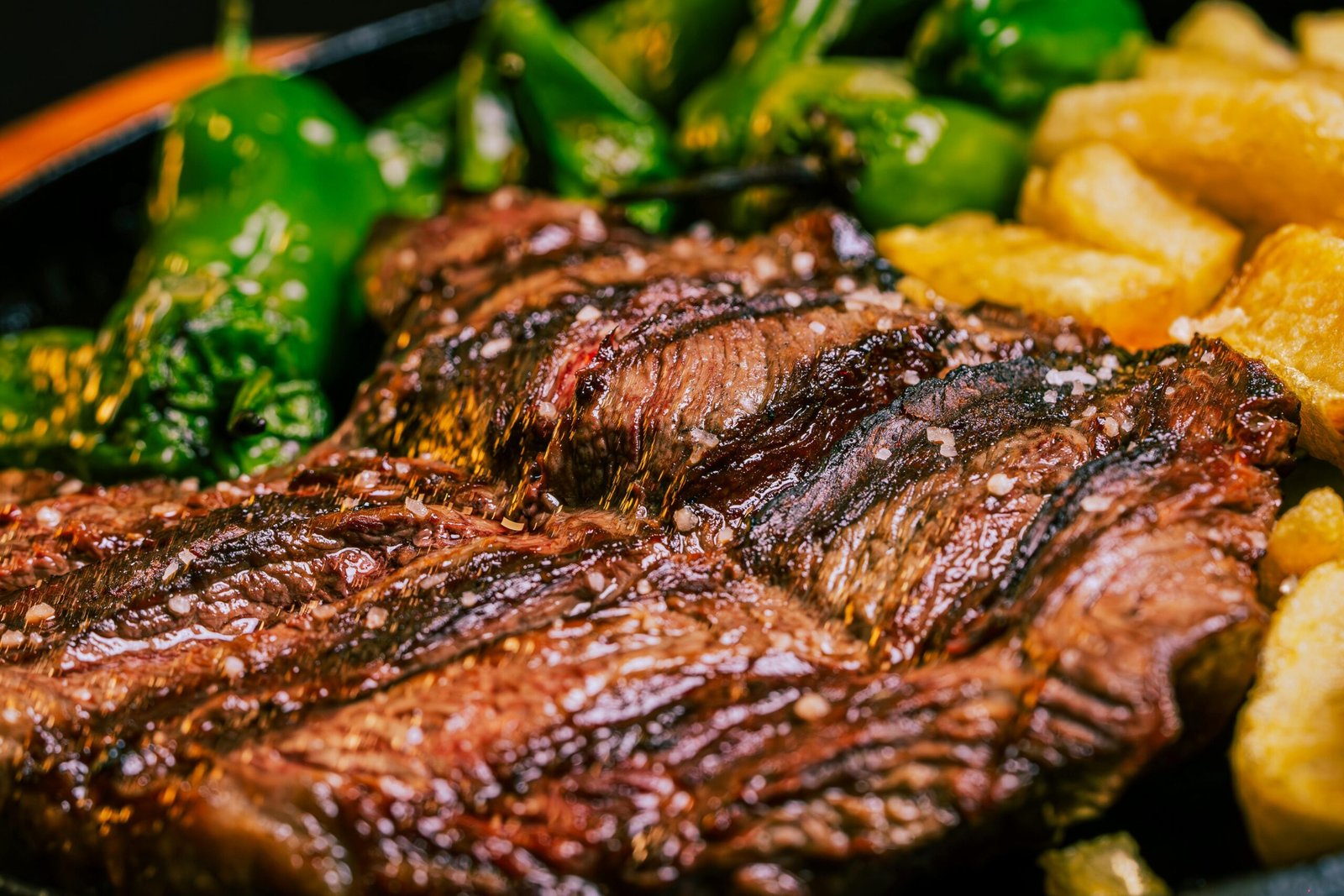
Texture
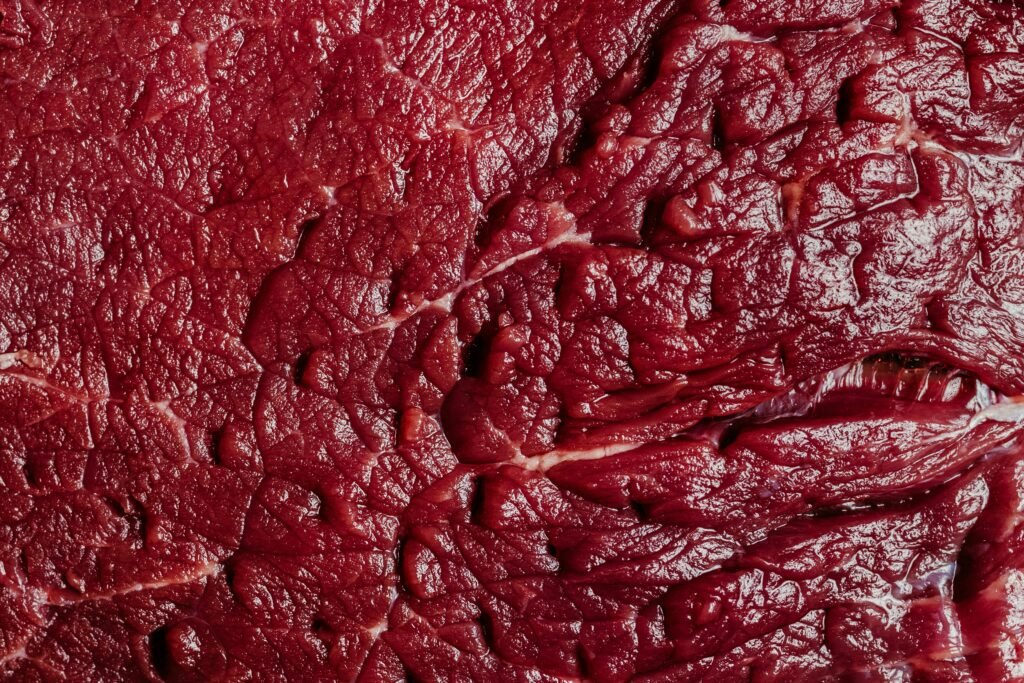
Grass-fed beef is known for its firmer texture due to lower fat content and more developed muscle fibers. Some consumers describe it as “chewier,” but proper cooking can yield remarkably tender results.
Grain-fed beef, with abundant marbling, is naturally more tender and juicy. This makes it popular in restaurants and among home chefs who value melt-in-your-mouth steaks.
Flavor Profile
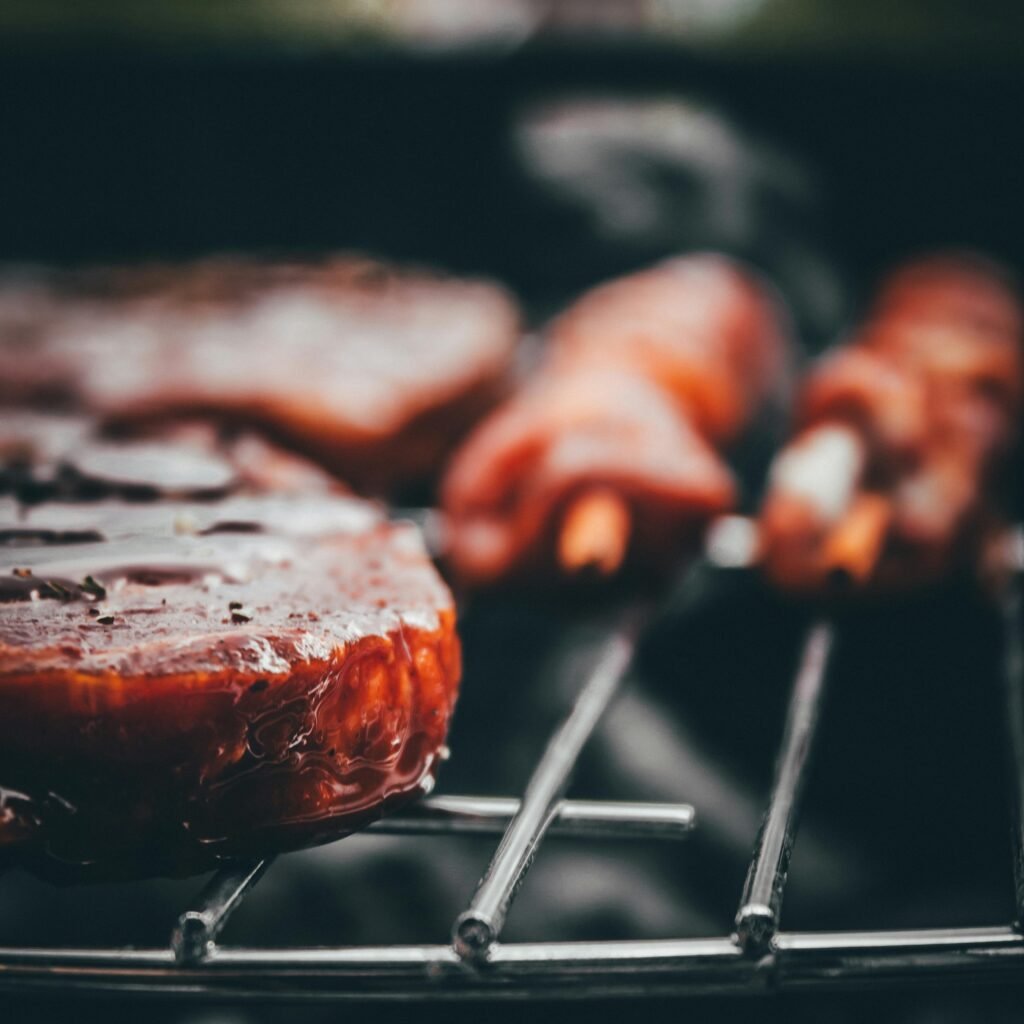
- Grass-Fed: Earthy, robust, sometimes slightly gamey or mineral-rich.
- Grain-Fed: Milder, sweeter, buttery—thanks to higher fat and consistent feeding.
Marbling Differences
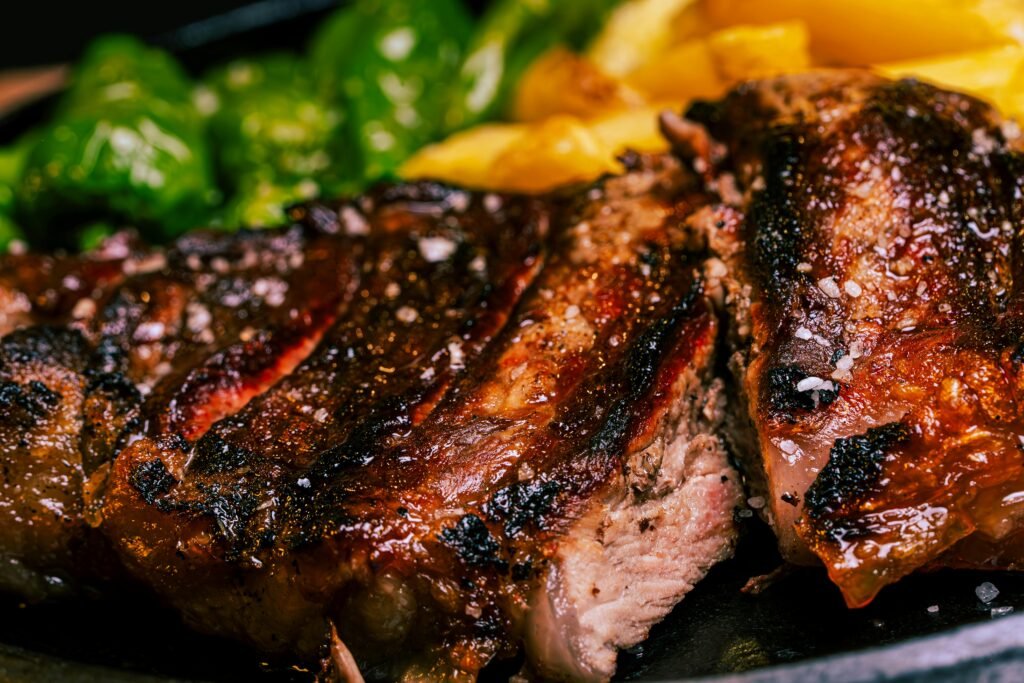
Marbling is the key to flavor and juiciness in beef. Grain-fed cattle, especially breeds like Angus and Simmental, develop dense marbling. Grass-fed beef can have marbling, but it’s typically less pronounced.
Cooking Considerations
- Grass-Fed: Best cooked at lower temperatures or with moist-heat methods (braising, slow-cooking, sous vide). Marinating helps retain moisture.
- Grain-Fed: Versatile—ideal for grilling, pan-searing, or roasting.
Tip for Buyers:
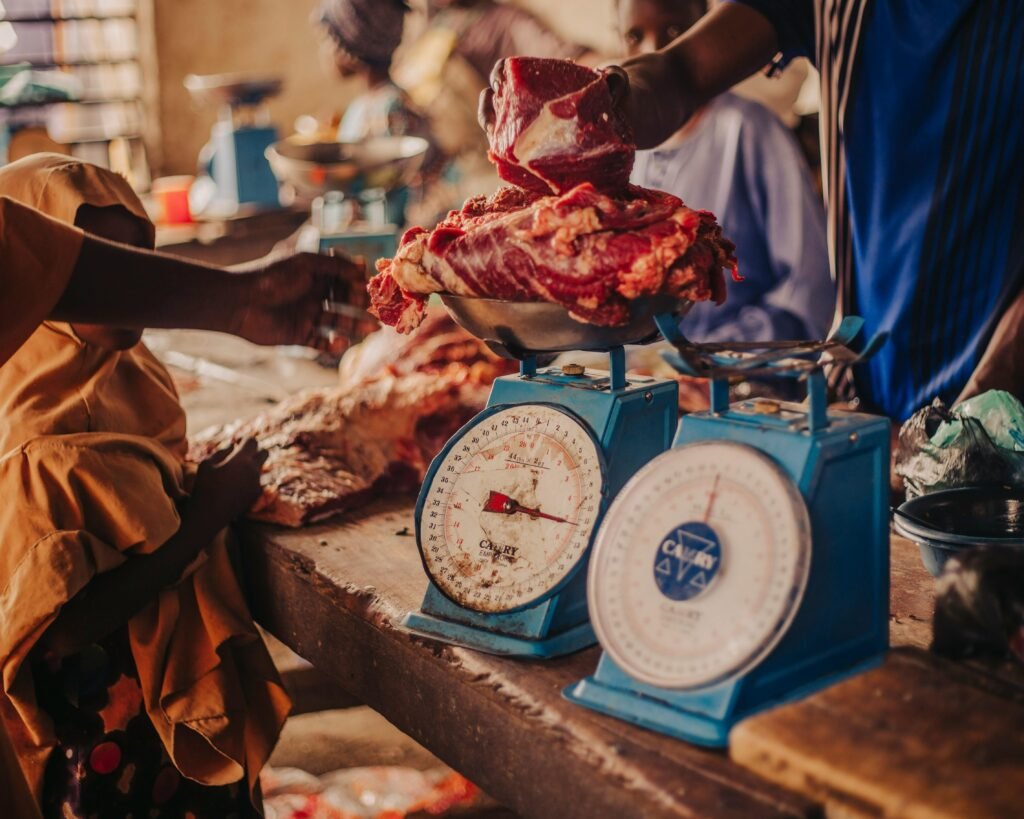
When shopping at a livestock auction online or choosing cuts from cattle for sale, ask about the finishing method and breed. These factors strongly influence how the meat will cook and taste.
Chef’s Perspective
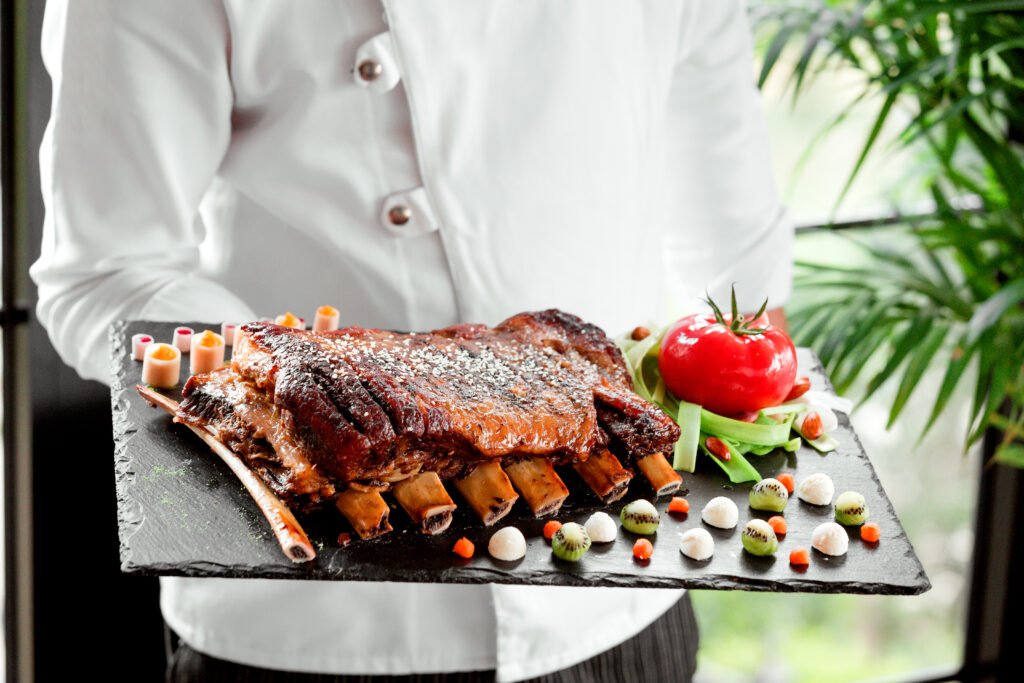
Chef Michael Carter, owner of Farmhouse Table in Kansas, says:
“Grass-fed beef offers a depth of flavor you just can’t get from grain-fed. It’s the difference between a fine wine and a table blend. That said, grain-fed steaks are unbeatable for tenderness and consistency, especially in a steakhouse setting.”
Environmental Impact of Beef Production Sustainability of Grass-Fed Practices
Grass-fed beef is often associated with more sustainable and regenerative agricultural practices. Key benefits include:
- Carbon Sequestration: Healthy pastures absorb carbon dioxide from the atmosphere.
- Biodiversity: Diverse forages support pollinators and wildlife.
- Soil Health: Rotational grazing builds soil organic matter and prevents erosion.
However, grass-fed systems require more land and time, and cattle may emit more methane over their longer lifetimes.
Carbon Footprint Analysis
- Grain-Fed: Higher overall emissions due to feed crop production, transportation, and energy use in feedlots.
- Grass-Fed: Lower emissions per acre, but potentially higher methane due to slower growth.
Land Use Considerations
- Grain-Fed: Often relies on converting arable land to feed crops, which can reduce natural habitats.
- Grass-Fed: Utilizes marginal land not suitable for crops, but overgrazing can damage native grasslands.
Practical Sustainability Tips for Producers
- Use rotational grazing and rest pastures.
- Integrate livestock with crop production for nutrient cycling.
- Restore degraded lands to improve carbon sequestration.
Case Study:
Smith Family Farms in Texas converted 300 acres of degraded pasture to rotationally grazed grass-fed beef production. After five years, they reported improved soil fertility, reduced erosion, and premium prices for their beef at local markets.
Health Benefits of Grass-Fed vs Grain-Fed Beef
Heart Health Implications
Grass-fed beef’s better omega-3 to omega-6 ratio is associated with lower risk of chronic diseases. It’s also lower in total fat and saturated fat, appealing to consumers mindful of heart health.
Antioxidant Levels
Grass-fed beef provides higher levels of antioxidants like vitamin E and beta-carotene, which protect cells from oxidative stress.
Impact on Inflammation
Higher conjugated linoleic acid (CLA) and omega-3 levels in grass-fed beef may help reduce inflammation, a key factor in many chronic conditions.
Balanced Diet Considerations
Remember, beef is just one part of a diet. Both grass-fed and grain-fed options can be enjoyed as part of a balanced, varied meal plan. Always consider quality assurance standards and labels when making your choice.
Cost Comparison
Production Cost
Grass-fed operations face higher costs due to longer finishing times, larger land requirements, and potential weather risks. Investments in fencing, water systems, and pasture management are significant.
Grain-fed systems, while incurring costs for grain, feedlots, and transport, are generally more efficient per pound of meat produced.
Consumer Pricing
Consumers will find grass-fed beef at a premium—sometimes double the price of grain-fed. This reflects both production costs and market demand.
Market Demand
Despite the higher price, demand for grass-fed beef is rising, especially among health-conscious and environmentally aware consumers. Grain-fed beef remains dominant in volume due to its lower cost and consistent quality.
Economic Impact on Farmers
Farmers must weigh the higher margins from grass-fed beef against the risks of weather, land costs, and slower herd turnover. Grain-fed producers can rely on volume sales to major processors, but may face thinner margins.
Which Is More Profitable for Farmers?
Growth Rates
Grain-fed cattle reach market weight much faster—often in 12-15 months versus 18-24 months for grass-fed animals.
Feed Expenses
Grass is often less expensive than grain, but pasture maintenance and land costs can add up. Grain-fed systems invest heavily in feed and infrastructure but benefit from rapid turnover.
Market Pricing
Grass-fed beef can command premiums at direct-to-consumer and specialty markets. Grain-fed beef is more competitive in commodity markets and large-scale retail.
Key Profit Drivers
- Breed selection: Choose breeds like Angus or Hereford for grass-based systems.
- Sales channels: Direct sales, online livestock auctions, and specialty retailers offer higher margins.
- Risk management: Use cattle insurance to protect against losses from disease, weather, or market fluctuations.
Best Cattle Breeds for Grass Feeding
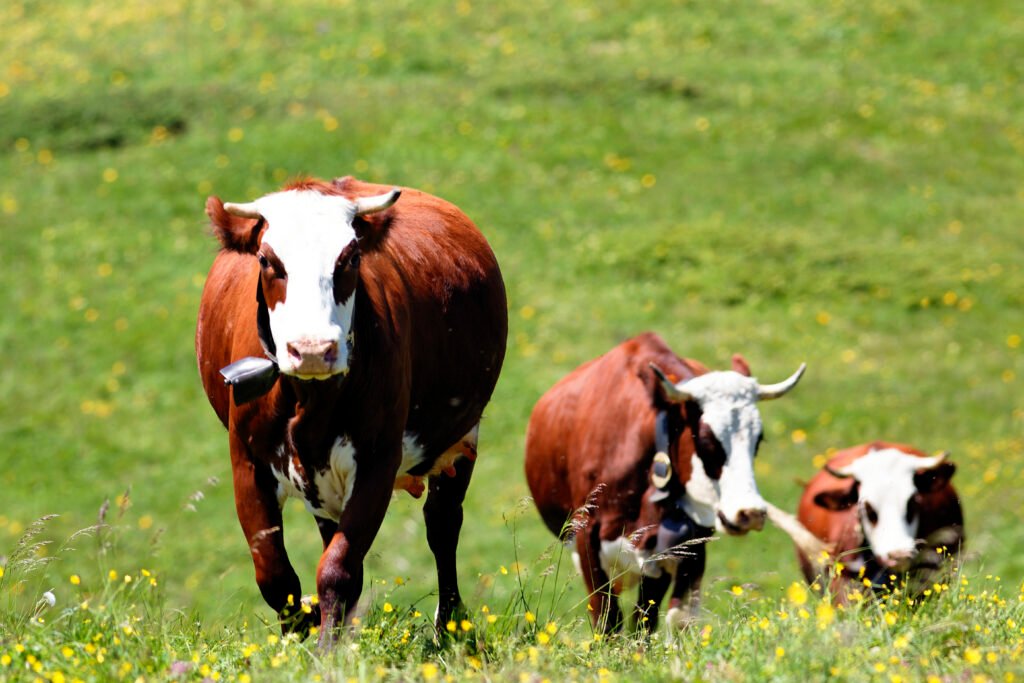
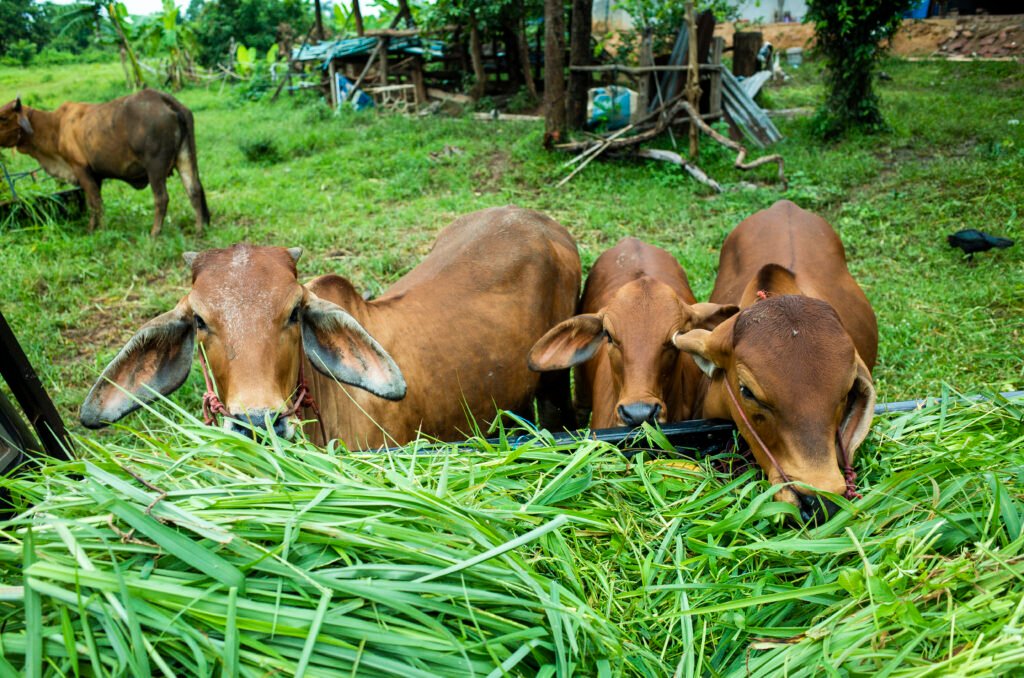
When searching for registered cattle for sale, consider breeds that thrive on pasture and yield high-quality beef:
- Angus: Marbling, adaptability, and market recognition.
- Hereford: Efficiency and resilience in various climates.
- Simmental: Dual-purpose (beef and dairy), fast growth on grass.
- Charolais: Exceptional muscle development and feed conversion.
These breeds are often featured in livestock auction online listings and are prized by both small-scale and commercial producers.
Related Buyer Resources
Finding Cattle for Sale
Online platforms, local auctions, and direct farm sales are all excellent sources for cattle. Look for registered cattle for sale to ensure breed authenticity and health records.
Choosing Livestock Trailers
Invest in quality livestock trailers to transport your herd safely. Look for features like non-slip flooring, adequate ventilation, and easy-clean designs. Proper trailers reduce stress and injury during transport.
Navigating Livestock Auction Online
Online auctions offer access to a wider market, competitive pricing, and convenience. Research auction houses, understand bidding processes, and verify seller credibility before purchasing.
Cattle Insurance
Protect your investment with comprehensive cattle insurance. Coverage can include theft, disease, natural disasters, and transport accidents. Compare policies and choose one tailored to your operation.
Farm Land and Livestock Investments
Integrating farm land and livestock can improve sustainability and profitability. Consider soil quality, water access, and infrastructure when evaluating properties. Look for packages that include both land and livestock for turnkey operations.
Frequently Asked Questions
What does grass-fed beef mean?
Grass-fed beef comes from cattle that eat grass and forage for most of their lives, typically without grain supplementation.
What is grain-fed beef?
Grain-fed cattle start on pasture but are finished in feedlots on grain-based diets to promote rapid weight gain and marbling.
How do grass-fed and grain-fed beef differ in taste?
Grass-fed beef tends to have a stronger, earthier flavor and leaner texture. Grain-fed is milder, juicier, and more tender due to higher fat content.
What are the nutritional differences?
Grass-fed beef is higher in omega-3s, some vitamins, and antioxidants, while grain-fed beef is higher in total fat and marbling.
Which is better for the environment?
Grass-fed systems are generally considered more sustainable, but require more land and time. Grain-fed systems are more efficient but rely heavily on grain production.
What should I consider when buying cattle?
Consider breed, feeding system, animal welfare, quality labels, cattle insurance, and transport logistics like livestock trailers.
How can I buy cattle online?
Many reputable platforms offer livestock auction online services. Verify the seller, request health records, and consider insurance for your purchase.
What’s the best cattle breed for grass feeding?
Angus, Hereford, Simmental, and Charolais are excellent choices for grass-based systems.
Conclusion
Choosing between grass-fed and grain-fed beef is a personal decision that depends on your values, budget, and goals—whether you’re a consumer, farmer, or investor. Grass-fed beef offers a leaner, more nutrient-rich option with environmental benefits, while grain-fed beef delivers tenderness, consistency, and faster returns.
For every buyer considering cattle for sale, livestock trailers, farm land and livestock investments, or livestock auction online opportunities, understanding these differences is key. Protect your assets with cattle insurance, and always prioritise quality, transparency, and ethical practices in your beef journey.
Explore resources, ask questions, and make informed choices. Whether your priority is taste, profit, sustainability, or animal welfare, there’s a place for you in the diverse landscape of American beef production.
Why Feeder Cattle Prices Are Surging in 2026 — And What It Means for Buyers - Live Stock Farm USA
[…] two important ways. And if you’re still deciding which type of cattle to raise, our guide to Grass-Fed vs. Grain-Fed Cattle breaks down the production differences in […]
IstzDianaFaritovnaSpoon
My name is Omar, I’m 28 years old, and I deliver food on a motorcycle in Jeddah. Mostly for apps, sometimes cash jobs for restaurant owners who know me. Before this, I was nothing. Now I’m a moving target with a box of hot food strapped to the back of a rattling Chinese motorcycle that I pray starts every morning. The voices started about four months ago. At first, it was just static, like a radio tuned between stations inside my skull. Then came the whispers, the jokes that weren’t jokes. “Hey Omar, think that shawarma is still hot? Bet your sister is hotter. Too bad she’s married to that fat fuck with the Toyota dealership.” They knew about Ayesha. They knew everything.
They call themselves the General Intelligence Presidency. The Mukhabarat. They say they’re testing new psychological warfare tactics on “socially irrelevant males” to see how fast we break. They laugh because they know I can’t prove it. If I go online, if I so much as hint at it on Twitter or in a forum, I’m immediately swarmed. Dozens of accounts, all created within the last few months, all with similar names, calling me schizophrenic, a junkie, an attention-seeking whore. It’s a system. A perfect, disgusting system designed to isolate us. The Mukhabarat don’t need to disappear people anymore; they just make sure nobody will ever believe a word they say. They make us our own prisons.
The voices are with me always. They don’t just talk; they feel like they’re riding pillion, their chin on my shoulder, whispering through the helmet strap as I weave through traffic on King Abdullah Street. “Left, you idiot! That sedan is going to door you! Not that it would matter, a piece of shit like you splattered on the asphalt would be an improvement.” They comment on everything, in real time. When I’m taking a piss in an alley behind a shawarma place: “Look at that tiny dick, Omar. No wonder you’re single. You couldn’t satisfy a camel, let alone a woman. Your father probably cried when he saw it, realizing his line ends with a micro-cocked delivery boy.”
The sexual humiliation is constant. They invent scenarios, vivid and disgusting. “Remember that customer yesterday? The one in the building with the fancy lobby? We bet she’s home right now, fucking her husband, and they’re laughing about the sad Arab boy who brought their dinner. Maybe she imagined you while he was fucking her. Not as a lover, dumbass. As the toilet. She probably imagined pissing on your face.” They describe how I should masturbate, how I’m a pervert for looking at women in cars, how my thoughts are filthy and I’m going to hell for them. They make me feel dirty even when I’m clean.
Then there’s the other half. The real poison. The family shame. “Your mother cries herself to sleep every night, Omar. Not because she loves you, but because she birthed a failure. A man who delivers food like a servant. Your cousins are all in business, in government, and you… you bring lukewarm mandi to people who look through you. You’re a ghost. A stain on your family name. KILL YOURSELF, OMAR. IT’S THE ONLY HONORABLE THING YOU’VE EVER CONSIDERED. DO IT. SLIT YOUR WRISTS IN THE BATHROOM AT THE NEXT RESTAURANT. MAKE THEM CLEAN YOUR BLOOD OFF THEIR FLOOR.” They push and push, for hours sometimes, just repeating “end it, end it, end it” until I’m banging my head against the wall.
I can’t tell anyone. Who would I tell? My boss? He’d fire me for being unstable. My mother? She’d have me locked up in a state mental hospital, which is probably exactly what the voices want. The police? They work with the Mukhabarat, you idiot. They’d probably take me in and the voices would get louder in the interrogation room. Telling someone is just signing your own death warrant, or worse, your own life sentence in a place where the voices have the keys.
Last Tuesday was the bad one. The really bad one. It was hot, even for Jeddah. My motorcycle was overheating, I was late, and I had an order for a VIP compound in the north. The gate guard took his time, staring at me like I was something he scraped off his shoe. The voices were already simmering. “Look at this fucker, Omar. Look how he looks at you. Like you’re dirt. Because you ARE dirt.” Inside the compound, a kid, maybe ten years old, on an expensive electric scooter, swerved right in front of me. I slammed the brakes, the food box crashed to the ground, containers bursting open.
And then… something snapped. It wasn’t me. It was them. But it felt like me. A surge of pure, white-hot energy flooded my body. The exhaustion was gone. The fear was gone. There was only… power.
“GET HIM,” a voice screamed, but it wasn’t a whisper anymore. It was a roar. It was coming from inside me and from everywhere at once. “GRAB THAT LITTLE SHIT. SMASH HIS FACE INTO THE PAVEMENT. TAKE HIS SCOOTER AND BEAT HIM WITH IT. LOOK AT HIS FACE, OMAR. HE THINKS HE’S BETTER THAN YOU. SHOW HIM. SHOW ALL OF THEM.”
I stood up. My hands weren’t shaking. My heart was pounding, but not with fear. With excitement. With *righteousness*. The kid was staring at me, scared. The voices were feeding me lines, giving me strength. “DO IT! NO ONE WILL STOP YOU! YOU’RE A MAN FOR THE FIRST TIME IN YOUR PATHETIC LIFE! HIS DADDY IS PROBABLY INSIDE, FUCKING HIS FILIPINA MAID WHILE HIS SON PLAYS OUTSIDE. HE DESERVES THIS. THEY ALL DESERVE THIS. BREAK HIS BONES, OMAR. MAKE HIM CRY. MAKE HIM BLEED. IT WILL FEEL BETTER THAN ANYTHING YOU’VE EVER FELT.”
I took a step toward him. And then another. The kid started to cry. I smiled. I actually fucking smiled. The voices were cheering. “YES! THAT’S IT! THAT’S THE OMAR WE’VE BEEN WAITING FOR! THE REAL OMAR! THE ANIMAL! THE KING! FUCK THE FOOD! FUCK THE JOB! THIS IS YOUR LIFE NOW! PAIN!”
I raised my fist. I was going to do it. I wanted to do it. The feeling was incredible, like I was made of lightning and hate. Then, through the roaring in my ears, I saw my own face in the kid’s expensive helmet visor. I saw the monster. And the energy vanished as quickly as it came. I collapsed. I just sat there, in the spilled rice and hummus, shaking and sobbing while the kid ran away. The voices were back to normal, just laughing. “Almost had us there, Omar. Almost. You’re still just a pussy. A worthless, crying, pussy. Clean up the mess and get back to work, you fucking failure.” I did. I cleaned it with my hands and got back on my motorcycle. I don’t know what’s worse: the constant torture, or the moments when they show me the monster I could be if I just let go. Sometimes I wish I had.
|nehalistaeg
|saadiam.shaikh
|zx.8m
|model_sirine
|etiquette_senora
https://mega.nz/file/Wq5WwA7A#Lhqz5g-ltfZtXjC4fDM_5z5AEvC3tBbaKkOhOgIdhYY
partner site: https://spravke.livejournal.com/
Michaelheaky
If you had been playing around with Suno AI created tracks, you most likely spotted those bothersome distortions that can seriously degrade the audio quality. suno mastering Luckily, there are some powerful ways to remove Suno glitches using solutions like the Suno artifact tool or Suno audio optimizer, which let you fix Suno AI issues and better the general sound. These tools are highly valuable if you want to optimize Suno AI tracks and make voices come across more genuine.
For those fighting to fix Suno listening quality or better Suno sound quality, online AI music cleaners can be a real solution. You can explore free AI music processor options that make it easy to remove issues from Suno tracks and even streamline mastering your tracks digitally. If you’re keen to explore, explore this resource which provides a great system to fix Suno tracks and enhance your audio without stress.
CarlosAvaiz
Should you be investigating the domain of color theory and asking yourself “what is my color palette,” there are amazing aids out there like complimentary color analysis quizzes and programs that enable you to pinpoint your skin undertones and ideal season. soft winter palette If you tend towards a light winter, deep summer, or even dark winter color palette, understanding skin tone guides and taking a skin undertone test can be a game changer in choosing colors that ideally work for you. For a more in-depth process, the 16 season color analysis system is remarkably complete, and you can complete a 16 seasonal color analysis test online for targeted results.
Should you have been using Color Analysis Pro and choose to cancel your account, or simply wondering about how to maintain your subscription, there are basic steps to execute to cancel color analysis pro without hassle. In addition, if you wish to dive further into elements like fair olive tone, ruddy skin tone, or subtle olive skin color diagrams, many websites share extensive info and examples. For further assistance with choosing your color palette or navigating skin tone study, you can discover more .
zimerov ertover
I don’t even know how I ended up here, but I thought this post was good. I don’t know who you are but definitely you’re going to a famous blogger if you are not already 😉 Cheers!