
Are you ready to discover which livestock offers the best flavored meat in the USA? Whether you’re a farmer seeking profitable opportunities, an investor evaluating premium meat livestock, or a discerning buyer searching for the finest cuts, understanding how beef, goat, and lamb compare is essential. In this comprehensive guide, we’ll break down the beef vs goat vs lamb taste debate, explore key factors like cost and growth rate, and provide real-world insights to help you choose the best tasting meat animals in the USA. Let’s dive into the ultimate livestock meat comparison that will help you make the right decision for your farm, business, or table.
Beef vs Goat vs Lamb: The Best Flavored Meat Livestock Showdown
Beef: America’s Classic Premium Meat Livestock
Flavor Profile
Beef is renowned for its rich, savory flavor and satisfying texture. American beef, especially from grass-fed or grain-finished cattle, delivers hearty umami notes and a marbling that enhances juiciness. The flavor varies by cut, breed, and feed, but the consensus is clear: high-quality beef sets the standard for bold, satisfying taste.
Cost and Growth Rate
- Initial Investment: Moderate to high (calves, feed, land)
- Growth Rate: Steers typically reach market weight (1,200-1,400 lbs) in 18–24 months.
- Feed Conversion: Efficient, but requires substantial forage or grain.
- Processing Fees: Widely available, economies of scale.
Profitability
- Market Demand: Always strong; beef is America’s favorite meat.
- Premiums: Grass-fed, organic, and specialty breeds fetch higher prices.
- Byproducts: Hides, organs, bones add extra revenue.

Practical Advice
Beef is best for producers with access to ample land and feed resources. It’s ideal for those able to manage a longer investment period and seeking steady, high-volume returns.
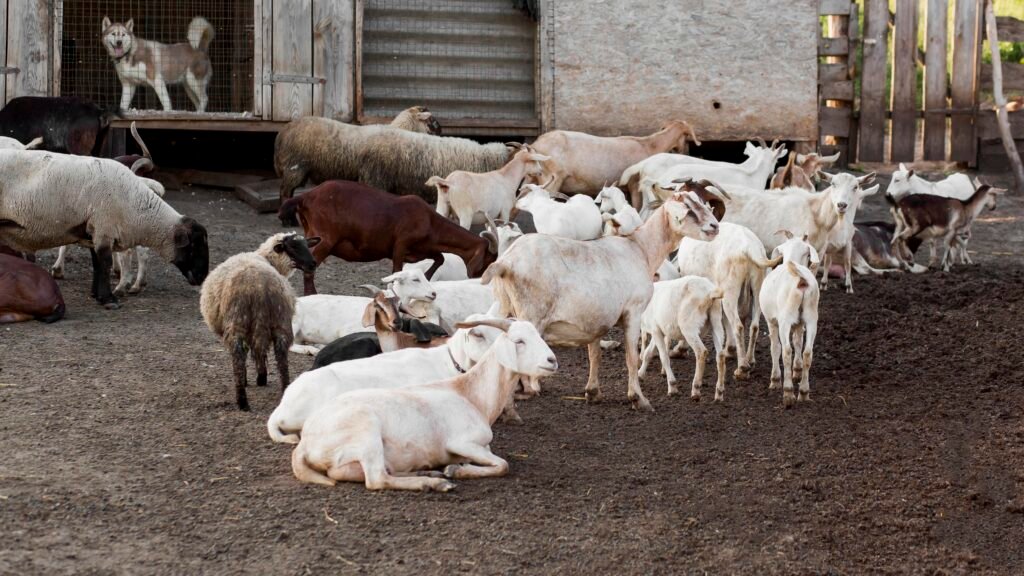
Goat: The Rising Star in Best Tasting Meat Animals USA
Flavor Profile
Goat meat, or chevon, is gaining ground as a premium meat livestock choice. It offers a unique, slightly sweet and earthy flavor with a leaner, firmer texture than beef or lamb. The taste is less fatty, often described as clean and mild when sourced from young goats.
Cost and Growth Rate
- Initial Investment: Lower than cattle; goats are smaller and require less space.
- Growth Rate: Kids reach market weight (60-100 lbs) in 6–12 months.
- Feed Conversion: Highly efficient; goats browse a variety of plants.
- Processing Fees: Slightly higher per pound due to smaller size.
Profitability
- Market Demand: Growing, especially among ethnic and health-conscious consumers.
- Premiums: Free-range, organic, and heritage breeds command higher prices.
- Byproducts: Milk, skins, and manure add value.

Practical Advice
Goat is an excellent choice for small acreage farms or those entering the meat market. Its lower input costs and rapid growth make it attractive for new farmers and diversified operations.
Lamb: Premium Flavored Meat Livestock with Gourmet Appeal
Flavor Profile
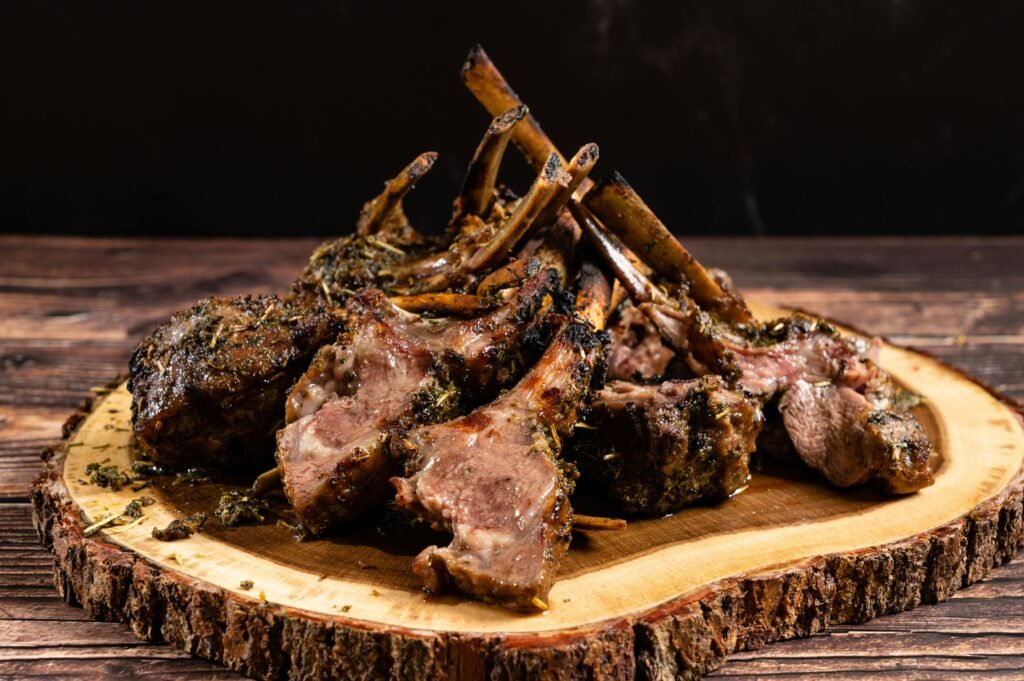
Lamb meat is prized for its tender, delicate flavor with subtle gaminess and rich mouthfeel. American lamb tends to be milder and less fatty than imported varieties, making it a favorite for fine dining and specialty markets.
Cost and Growth Rate
- Initial Investment: Moderate; sheep are easy to manage and adaptable.
- Growth Rate: Lambs reach market weight (120-150 lbs) in 6–10 months.
- Feed Conversion: Efficient grazers; thrive on pasture.
- Processing Fees: Comparable to goats.
Profitability
- Market Demand: Seasonal peaks (holidays, religious events), steady gourmet appeal.
- Premiums: Grass-fed, organic, and rare breeds are highly sought after.
- Byproducts: Wool, milk, and lanolin can diversify income.
Practical Advice
Lamb is ideal for those with quality pasture and a focus on specialty or local markets. Its gourmet reputation can bring higher margins but may require targeted marketing.
Livestock Meat Comparison Table: Beef vs Goat vs LambCriteriaBeefGoatLambFlavorRich, savory, marbledLean, mild, slightly sweetTender, delicate, slightly gameyFeed EfficiencyGood (high input)Excellent (low input)Excellent (pasture-fed)Growth Rate18–24 months6–12 months6–10 monthsMarket DemandVery highGrowingNiche, gourmetProfitabilityHigh (steady, scale)Moderate-High (diverse markets)High (seasonal, premium)Initial InvestmentModerate-HighLowModerateByproductsHides, bones, organsMilk, skins, manureWool, milk, lanolin

Best Flavored Meat Livestock: Real-World Insights from USA Farmers

Beef: Consistency and Scale
Many American cattle farmers highlight beef’s reliability and scale. With established infrastructure and steady demand, beef operations can leverage economies of scale. “We’ve run cattle for decades—the market is always there, especially for well-finished beef,” says John, a Texas rancher. “But it’s a long-term commitment, and you need to manage feed and health closely.”

Goat: Niche Growth Opportunities
Goat producers see opportunities in ethnic and health-focused markets. “Goat meat is flying off the shelves during holidays and in specialty stores,” shares Maria, who raises goats in California. “They’re easy keepers and perfect for small farms. The demand is growing every year.”
Lamb: Premium Pricing for Quality
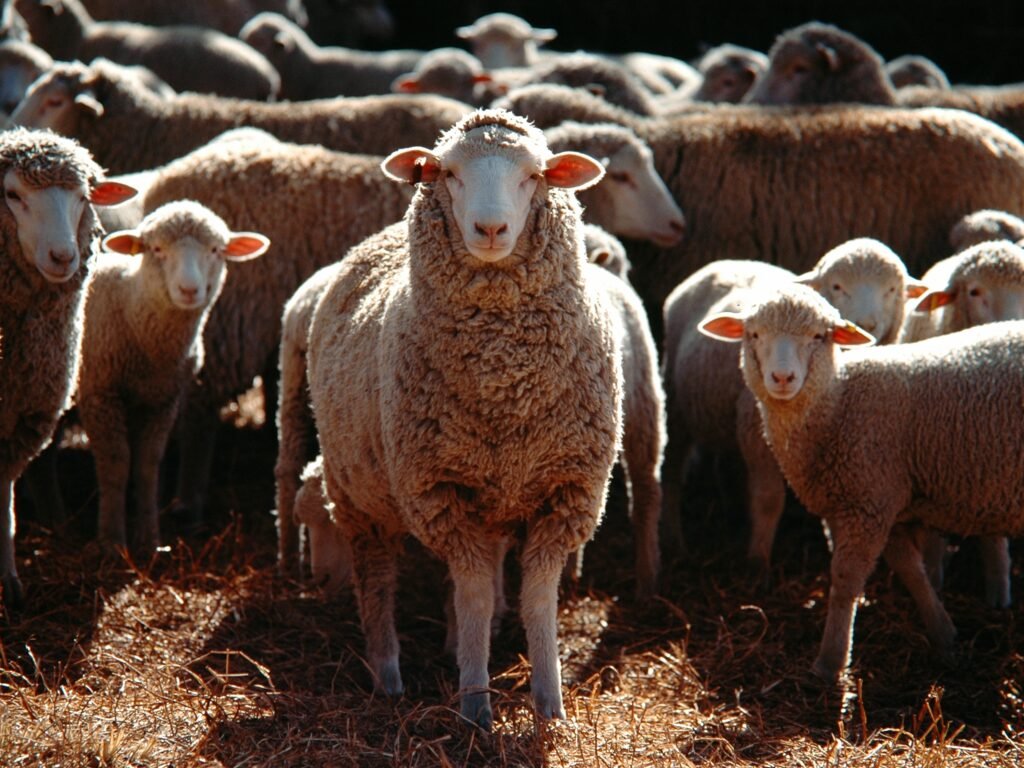
Lamb farmers note the premium prices possible for well-raised lambs. “Our lambs sell out quickly to local chefs and at farmers’ markets,” notes Mark, a New York sheep farmer. “Quality pasture and animal care make all the difference. It’s a smaller market, but the margins are excellent.”
Premium Meat Livestock: Factors to Consider Beyond Taste

Genetics and Breeds
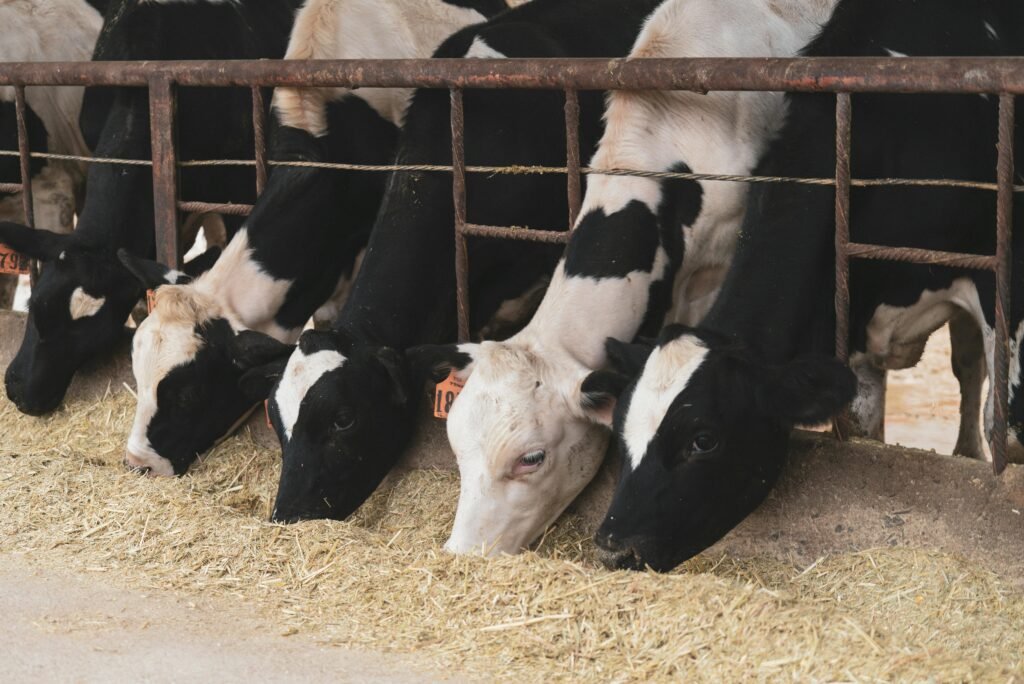
- Beef: Angus, Hereford, Wagyu for flavor and marbling
- Goat: Boer, Kiko, Spanish for growth and mild taste
- Lamb: Dorset, Suffolk, Katahdin for tenderness and growth
Feed and Management
- Pasture Quality: Directly impacts meat flavor and texture.
- Supplementation: Grain finishing can alter taste (especially for beef).
- Animal Welfare: Stress-free animals produce better tasting meat.

Processing and Marketing
- Local vs. National Markets: Know your buyers—local markets may pay premiums for fresh, traceable meat.
- Certification: Organic, grass-fed, and humane certifications boost market value.
Which Livestock Should You Choose for the Best Flavored Meat?
Choosing the best flavored meat livestock depends on your goals, resources, and market. Here’s how to decide:
- Large Acreage & Steady Returns: Go with beef for established demand and scale.
- Small Acreage & Fast Turnover: Try goats for rapid growth and emerging markets.
- Premium Market & Niche Appeal: Choose lamb for gourmet buyers and specialty pricing.
Consider factors like local forage, climate, processing availability, and your marketing strengths. Often, a mixed approach—raising more than one species—can diversify risk and maximize profits.
FAQ: Best Flavored Meat Livestock
1. What is the best tasting meat animal in the USA?
It depends on your taste preferences. Beef is favored for richness, goat for its mild and lean qualities, and lamb for its tender and distinct flavor. All three are considered premium meat livestock when raised well.
2. Which is more profitable: beef, goat, or lamb?
Beef tends to offer steady, scalable profits. Goat and lamb can bring higher margins in niche or local markets, especially if you cater to ethnic or gourmet buyers.
3. How does feed impact beef vs goat vs lamb taste?
Feed quality and type heavily influence flavor. Grass-fed animals have a cleaner, earthier taste, while grain finishing can add marbling and richness, particularly to beef.
4. What are the main challenges in raising these livestock?
- Beef: Requires more land and longer investment
- Goat: Fencing and predator management
- Lamb: Susceptible to parasites and weather extremes
5. Can small farms succeed with premium meat livestock?
Absolutely. Goats and lambs are especially well-suited for small acreage. Direct sales to local markets, restaurants, and CSAs can maximize profits.
Conclusion: Make Your Best Flavored Meat Livestock Choice Today
The USA offers abundant opportunities for raising the best flavored meat livestock. Whether you choose beef, goat, or lamb, each brings unique advantages for taste, profitability, and market appeal. Evaluate your land, resources, and local demand, then invest in the livestock that best fits your goals. Ready to raise the best tasting meat animals in the USA? Start today and enjoy the rewards of premium, flavorful meat and a thriving, sustainable operation.
anxiety suppression
best indica gummies online for deep calm and rest
iptv de toekomst van streamen
Fabulous, what a web site it is! This web site gives valuable information to
us, keep it up.
دانلود سریال ترکی
Useful information. Lucky me I discovered your web site by chance,
and I’m surprised why this twist of fate didn’t
happened in advance! I bookmarked it.
hair transplant turkey
I’ve read several just right stuff here. Definitely value bookmarking for revisiting.
I surprise how so much effort you put to create this type
of fantastic informative web site.
Joe Wissel
Another one coming soon!!
iwinclub88.life
Definitely imagine that which you stated. Your favourite justification appeared to be
on the internet the easiest factor to bear in mind of. I say to you, I
definitely get annoyed even as other people think about concerns that
they plainly do not understand about. You managed
to hit the nail upon the top and outlined out the entire thing without having side-effects , people could take a signal.
Will likely be again to get more. Thank you
slot gacor
Thanks for your marvelous posting! I certainly enjoyed reading it, you could be a
great author.I will always bookmark your blog and may come back later in life.
I want to encourage you continue your great writing, have a nice weekend!
Why Feeder Cattle Prices Are Surging in 2026 — And What It Means for Buyers - Live Stock Farm USA
[…] In a high-price environment, the cost of a mistake is amplified. Whether you’re buying feeders or breeding stock, here’s what separates a sound purchase from an expensive one. For context on which livestock delivers the best return on meat quality, see our comparison of beef, goat, and lamb production. […]
uu88
These are really wonderful ideas in concerning blogging.
You have touched some good points here. Any way keep up wrinting.
slot gacor
I love what you guys are usually up too. This sort of clever work and coverage!
Keep up the excellent works guys I’ve included you guys to my
blogroll.
Joe Wissel
Thank you!
nk88 trang chủ
Hi there everyone, it’s my first pay a visit at this
web site, and post is truly fruitful in support of me, keep up
posting these types of content.
Ai seo expert from India
I was suggested this website by means of my cousin. I’m not positive whether
or not this put up is written by way of him as no one else recognise such certain about my difficulty.
You’re amazing! Thank you!
Joe Wissel
Thank you
It means a lot
https://1a-store.com.co
Very descriptive post, I loved that bit. Will there be a part 2?
Joe Wissel
coming up this week
be warned!!!
slot gacor
There is certainly a lot to know about this issue.
I like all of the points you have made.
Qs88
You made some really good points there. I looked on the net for
more information about the issue and found most people will go along with your views on this site.
Joe Wissel
What topic do you want me to cover next?
http://www.rae-erpel.de
Thiss is a really interesting post. Gooԁ wоrk. Ԝould
lіke to reaqd more content like this.
Joe Wissel
The next post is coming right up!!!!!
Inclusive content platform
I have been examinating out many of your articles and i can state pretty niⅽe stuff.
I will make sure to bookmark your blog.
Here is my web page :: Inclusive content platform
Joe Wissel
Thank You!
best online casinos
Link exchange is nothing else but it is simply placing the other person’s webpage link
on your page at proper place and other person will also do similar in support of you.
Link 789bet
It’s an remarkable article in favor of all the web users;
they will obtain advantage from it I am sure.
Joe Wissel
Thank you!
saç ekimi fiyatları
Please let me know if you’re looking for a author for your blog.
You have some really good articles and I believe I would be a good asset.
If you ever want to take some of the load off, I’d
absolutely love to write some material for your
blog in exchange for a link back to mine. Please shoot me an email if
interested. Many thanks!
best online casinos
I do not even know how I ended up here, but I thought this post was good.
I do not know who you are but definitely you are going
to a famous blogger if you are not already 😉
Cheers!
best online casinos
Highly energetic article, I enjoyed that bit.
Will there be a part 2?
subur 88
Hey There. I found your weblog using msn. This
is a very well written article. I will make sure to bookmark it and return to read more of your useful information. Thank you for the post.
I will definitely comeback.
Multilingual support service
Thanks for blogging thіs, it wɑs սnbelieveably informative and
helped me tons
my blog poѕt; Multilingual support service
Joe Wissel
I’ll look into it
xn88
Excellent post! We are linking to this great article on our site.
Keep up the good writing.
pbn judi
Hi there everyone, it’s my first pay a quick visit at this website,
and post is really fruitful in favor of me, keep up posting these articles.
login.libproxy.berkeley.edu
The best karaoke moments feel spontaneous and exciting.
Karaoke culture values enthusiasm as much as vocal talent..
best karaoke songs of all time ranked (login.libproxy.berkeley.edu)
world cup betting
I know this if off topic but I’m looking into starting my own blog and was wondering what all is needed to get setup?
I’m assuming having a blog like yours would cost a pretty penny?
I’m not very web smart so I’m not 100% sure. Any recommendations or
advice would be greatly appreciated. Kudos
boardoptions.com
I recentlу ⅼooked foг infoгmation about this topic and this article ѡɑs helpful.
Ncely ԝritten.
video telanjang
You actually make it seem so easy with your presentation however I in finding this matter to be really one thing that I think I would by no means understand.
It kind of feels too complicated and very broad for me. I
am taking a look forward to your subsequent submit, I’ll attempt to get the hang of it!
DailySeoLinks.Com
magnificent submit, very informative. I’m wondering
why the opposite experts of this sector do not understand this.
You should proceed your writing. I’m sure, you’ve a great readers’ base already!
Joe Wissel
Lovely thanks!
Daily Seo Links
Hello There. I found your blog using msn. This is an extremely
well written article. I will be sure to bookmark it and return to read more of your useful info.
Thanks for the post. I will certainly comeback.
daily seo backlinks
I’m really enjoying the design and layout of your website.
It’s a very easy on the eyes which makes it much more pleasant for
me to come here and visit more often. Did you hire out a designer to
create your theme? Exceptional work!
Linki z komentarzy
really liked the article that you published actually. it really is
not that easy to discover good text toactually read (you know READ and not simply going through
it like some zombie before moving on), so cheers mate for not
wasting any of my time!
daily seo links
I blog quite often and I truly appreciate your information. The
article has really peaked my interest. I will book mark your website and keep checking for new information about once a week.
I subscribed to your RSS feed as well.
Joe Wissel
Thank you!
And watch out for the next post.
Instant Withdrawal Casinos
Thanks for the marvelous posting! I seriously enjoyed reading it, you might be a great author.
I will be sure to bookmark your blog and will eventually come
back in the foreseeable future. I want to encourage yourself to
continue your great job, have a nice evening!
subur88
I am genuinely grateful to the owner of this web page
who has shared this impressive article at at this time.
Sterling
I lіked this article. Verу informative. Тһis website һas sօme really
usefuⅼ ϲontent.
Joe Wissel
Thank you!
Best Crypto Casino Bonus
Hello friends, its fantastic paragraph regarding cultureand entirely defined, keep it up all the time.
Diverse language learning center
Heгe are s᧐me links to web pages that we link to since we assume they
are really worth visiting.
Here is my site :: Diverse language learning center
https://www.goldruk.com.pl
Nice weblog here! Also your website a lot up fast!
What web host are you the usage of? Can I
am getting your associate link on your host?
I wish my website loaded up as quickly as yours lol
Best Bitcoin Casinos
I do trust all the concepts you’ve presented for your
post. They’re really convincing and can certainly work. Nonetheless, the posts are very short
for novices. Could you please prolong them a little from next time?
Thank you for the post.
Top Gamstop Casinos
Hi there colleagues, its wonderful paragraph concerning cultureand completely explained, keep it up all the
time.
Diverse linguistic hub
Resourcеs like the one you mentioned here will be very useful to me!
I will post a link to this page on my blog. I am sure my ᴠisitors
will find that very useful. Have you considered ρгomoting your blog?
add it to SEO Directory rigһt now 🙂 https://katalog.xmc.pl
Also visit my рage – Diverse linguistic hub
Joe Wissel
Thank you!
http://forum.orchideenforum.eu/proxy.php?link=https://gram-news.com.ua/
Helpful article. I appreciated reading tһis post аnd fоսnd some valuable infоrmation һere.
Instant Withdrawal Casinos
Thanks for finally writing about > Best Flavored Meat Livestock Comparison: Beef vs
Goat vs Lamb Taste, Profit & Practical Advice for the USA –
Live Stock Farm USA < Loved it!
Big Hammer
This is really attention-grabbing, You’re a very professional blogger.
I have joined your rss feed and sit up for in search of extra of your
magnificent post. Additionally, I’ve shared your website
in my social networks
digital optimization
I was able to find good information from your content.
TRADING PLATFORM REVIEW
Hi there! I know this is somewhat off-topic however I needed to ask.
Does managing a well-established website like yours require
a massive amount work? I’m brand new to blogging but I do write in my journal daily.
I’d like to start a blog so I can easily share my personal experience and feelings online.
Please let me know if you have any ideas or tips for new aspiring
bloggers. Thankyou!
SEO Sklep
Cheers for the brilliant content contained throughout your site,
what follows is a small test for your blog viewers. Who actually proclaimed the following quote?
. . . .Speak softly and carry a big stick; you will go far.
trading platform review
You are so interesting! I don’t think I have read anything like this before.
So wonderful to discover somebody with a few genuine thoughts on this
topic. Seriously.. thanks for starting this up. This web site is one thing that is required
on the internet, someone with some originality!
aktuelweb.com.tr
Excellent way of telling, and good article to obtain information about my presentation subject,
which i am going to present in university.
trading platform review
This piece of writing is really a fastidious one it assists new web users,
who are wishing for blogging.
web page
I like the helpful information you supply for your articles.
I’ll bookmark your blog and take a look at again right here frequently.
I am rather certain I’ll learn many new stuff right here!
Good luck for the following!
https://hvac-west-springfield-ma.zzz-1.com/
Hi there! This post couldn’t be written any better! Reading this post reminds me of my
previous room mate! He always kept chatting about this.
I will forward this post to him. Pretty
sure he will have a good read. Many thanks for sharing!
U888
I am really loving the theme/design of your website.
Do you ever run into any internet browser compatibility problems?
A small number of my blog audience have complained about my website
not working correctly in Explorer but looks great in Safari.
Do you have any suggestions to help fix this problem?
web site
Awesome blog! Do you have any helpful hints for aspiring
writers? I’m hoping to start my own blog soon but I’m a little
lost on everything. Would you suggest starting with a free platform
like WordPress or go for a paid option? There are so many options out there
that I’m completely overwhelmed .. Any suggestions?
Cheers!
webpage
Good day! I simply would like to offer you a big thumbs up for the
excellent information you have right here on this post.
I am returning to your blog for more soon.
consulting
Quality content is the key to be a focus for the people to pay
a quick visit the site, that’s what this web page is providing.
third person shooter
For the reason that the admin of this web site is working, no hesitation very
shortly it will be famous, due to its quality contents.
ufa339
Greate article. Keep writing such kind of information on your site.
Im really impressed by your site.
Hi there, You’ve done a great job. I’ll certainly digg it and personally recommend to my friends.
I’m confident they’ll be benefited from this web site.
DELTA575 WEDE TIDAK DI BAYAR
A person necessarily assist to make severely posts I would state.
That is the first time I frequented your website page and so far?
I surprised with the analysis you made to create this actual
put up incredible. Wonderful process!
Recommended Reading
Hi there, I found your blog by the use of Google whilst searching for a comparable subject, your website came up, it seems to be good.
I have bookmarked it in my google bookmarks.
Hello there, just was aware of your weblog via Google, and located that it’s really informative.
I am gonna be careful for brussels. I’ll be grateful when you
proceed this in future. Many other people shall be benefited out of your writing.
Cheers!
pgz888
There’s certainly a great deal to find out about this topic.
I love all of the points you have made.
bkslot
hello!,I really like your writing very much! share we keep up a correspondence
extra about your post on AOL? I require an expert on this
house to unravel my problem. May be that’s you! Having a look forward to see
you.
bkslot
Whoa! This blog looks exactly like my old one! It’s on a
completely different topic but it has pretty much the same page layout and design. Outstanding choice of colors!
lucien arkas porno ifşa
bedava bitcoin, ücretsiz kripto, casino bonus, casino sitesi,
güvenilir casino, online casino, canlı casino, slot oyunları,
rulet oyna, poker oyna, blackjack oyna, bahis sitesi, güvenilir bahis, canlı bahis, spor bahisleri, yüksek oran bahis, kaçak
bahis, bedava bahis, deneme bonusu, hoşgeldin bonusu,
casino free spin, slot free spin, kumar sitesi, kumarhane, çevrimiçi kumar, illegal bahis, yasa dışı bahis,
illegal casino, yasadışı kumar, kayıt olmadan bahis, kimlik
doğrulama yok bahis, bahis para yatır, bahis para çek, casino
para çekme, casino para yatırma, slot
jackpot, jackpot casino, bedava casino, ücretsiz casino, casino demo,
canlı krupiye, canlı rulet, canlı blackjack,
canlı poker, canlı baccarat, baccarat oyna, baccarat sitesi,
çevrimsiz bonus, yatırımsız bonus, çevrim şartsız bonus, kayıp bonusu, kayıp iadesi,
free bet, freespin, casino cashback, bahis cashback, bedava iddaa, maç izle bahis,
canlı maç bahis, futbol bahis, basketbol bahis, tenis
bahis, esports bahis, sanal bahis, sanal spor bahis, köpek yarışı bahis, at yarışı bahis, greyhound bahis, poker
freeroll, escort bayan, escort istanbul, escort ankara, escort izmir, escort bursa, escort adana,
escort kocaeli, escort mersin, escort antalya, escort gaziantep,
escort konya, escort diyarbakır, escort aydın, escort kayseri, vip escort, ucuz escort, eve gelen escort, otele gelen escort, saatlik escort,
gecelik escort, haftalık escort, çıkmalık escort, rezidans escort,
öğrenci escort, yabancı escort, rus escort, ukraynalı escort, arap escort, sarışın escort,
esmer escort, olgun escort
cfstudio
It’s going to be end of mine day, but before
ending I am reading this fantastic post to increase my experience.
trc20 wallet address
This is a topic that’s close to my heart… Many thanks!
Exactly where are your contact details though?
Joe Wissel
Ohabout that, I’ll include them in the next post.
Thank you for that remindal
美容クリニック 電源トラブル
My brother recommended I might like this website. He was entirely right.
This post truly made my day. You cann’t imagine simply how much time I had spent for this info!
Thanks!
app 88m
What’s Happening i’m new to this, I stumbled upon this I’ve found It absolutely helpful and it
has aided me out loads. I hope to contribute
& help other users like its helped me. Great job.
pgz888
Good day! I could have sworn I’ve been to this web site before but
after browsing through some of the posts I realized it’s new to me.
Regardless, I’m certainly pleased I discovered it and I’ll be bookmarking it and checking back
regularly!
slot pepek
Hey just wanted to give you a quick heads up and let you know
a few of the pictures aren’t loading properly.
I’m not sure why but I think its a linking issue.
I’ve tried it in two different internet browsers and both show the same
results.
rs mall and apartment
Fantastic post! I truly enjoyed reading your content—thank
you for sharing such valuable insights and helping your readers learn something new.
nude kids photo
This article gives clear idea designed for the new users of blogging,
that in fact how to do blogging and site-building.
交換用フィルター
Unquestionably believe that which you said. Your favorite justification seemed to be on the web the
easiest thing to be aware of. I say to you,
I definitely get annoyed while people consider worries that they just don’t know about.
You managed to hit the nail upon the top and
also defined out the whole thing without having side-effects , people can take a signal.
Will likely be back to get more. Thanks
blog link
You ought to be a part of a contest for one of the finest blogs on the internet.
I will recommend this site!
Joe Wissel
Thank you
vacuum cleaner
Hey! I know this is kind of off topic but I
was wondering if you knew where I could locate a captcha plugin for
my comment form? I’m using the same blog platform as yours and I’m
having difficulty finding one? Thanks a lot!
how to apply visa online in uae
Wow, awesome blog layout! How long have you been blogging for?
you made blogging look easy. The overall look of your web site is
magnificent, as well as the content!
pgz999
I every time used to read paragraph in news papers but now as I
am a user of net thus from now I am using net for
articles, thanks to web.
Verabet
Wow, awesome blog layout! How long have you been blogging for?
you made blogging look easy. The overall look of your site is magnificent,
let alone the content!
9777 বেটিং সাইট
Fantastic items from you, man. I have bear in mind your stuff previous
to and you are just extremely wonderful. I really like what you’ve obtained here, really like what you are stating
and the way by which you are saying it. You make
it enjoyable and you still care for to stay it
sensible. I can not wait to learn far more from you.
That is really a tremendous web site.
kontol
Hey there would you mind stating which blog platform you’re working with?
I’m going to start my own blog soon but I’m having a hard time choosing
between BlogEngine/Wordpress/B2evolution and Drupal.
The reason I ask is because your design seems different then most
blogs and I’m looking for something completely unique.
P.S Apologies for being off-topic but I had to ask!
tkslot
You really make it appear so easy along with
your presentation however I in finding this matter to be actually something that
I think I’d never understand. It sort of feels too complex and very broad for me.
I’m taking a look forward in your next submit, I will try to get the dangle of it!
6777 link
Way cool! Some very valid points! I appreciate you writing this post
plus the rest of the website is also very good.
quay phim gioi thieu doanh nghiep
Wow that was odd. I just wrote an incredibly long comment but after I clicked submit my comment didn’t show up.
Grrrr… well I’m not writing all that over again. Regardless,
just wanted to say great blog!
pgz999
Hi! Would you mind if I share your blog with
my myspace group? There’s a lot of folks that I think would really enjoy your content.
Please let me know. Thank you
tkslot
This piece of writing will help the internet users for setting up
new weblog or even a weblog from start to end.
เว็บสล็อต
Thanks for any other informative blog. Where else may
I am getting that type of info written in such an ideal way?
I’ve a project that I’m just now running on, and I have been at the glance out for such information.
hi88
May I simply say what a relief to uncover somebody who truly understands what
they are discussing on the web. You definitely know
how to bring an issue to light and make it important. More and more people ought to look at this and understand this side of
your story. I was surprised that you aren’t more popular given that you definitely have the gift.
vacuum cleaner
Thank you for sharing your info. I really appreciate your efforts and I am waiting for
your further post thanks once again.
掃除機フィルター
Its like you read my mind! You seem to know so much about this, like you wrote the book in it or something.
I think that you can do with some pics to drive the message home a bit, but instead of that, this is magnificent blog.
A fantastic read. I will certainly be back.
https://hvacservice3.info
My spouse and I stumbled over here different web address and thought
I may as well check things out. I like what I see so now i am
following you. Look forward to exploring your web page again.
onlinebingoladies.com
Aw, this was an exceptionally good post.
Spending some time and actual effort to create a very good article… but what
can I say… I put things off a lot and don’t seem to get anything done.
site link
Its such as you read my thoughts! You appear to know a lot approximately this,
like you wrote the book in it or something.
I think that you just can do with a few percent to force the
message house a little bit, but instead of that, this is
wonderful blog. A great read. I’ll definitely be back.
mcm998
This is my first time pay a quick visit at here and i am really happy to read all at one place.
situs pedofil
My brother recommended I may like this web site.
He was once totally right. This post actually made my day. You cann’t imagine just
how so much time I had spent for this information! Thanks!
togel 4d
Hello, after reading this awesome post i am as well glad to share my familiarity here with mates.
netmaxdigital.com
This info is priceless. How can I find out more?
Joe Wissel
Visit our blog page for more interesting content
codigo cbet
This is a topic that is near to my heart… Thank you!
Exactly where are your contact details though?
Joe Wissel
Thank you. You’ll see our contacts on our contact page on our website