Suffolk Sheep For Sale | LAMBS | EWES | RAMBS
1. Short Summary (Quick Overview)
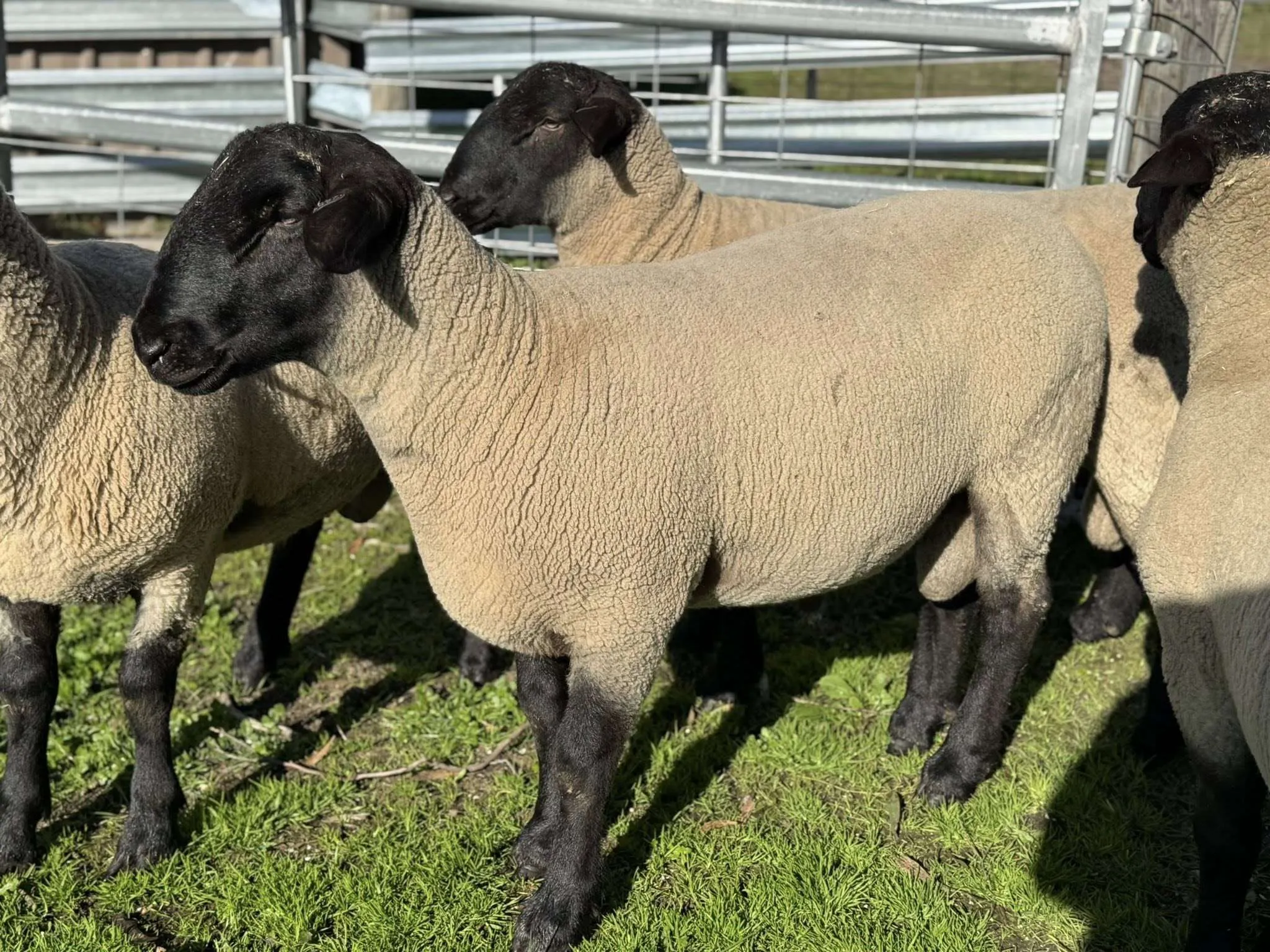
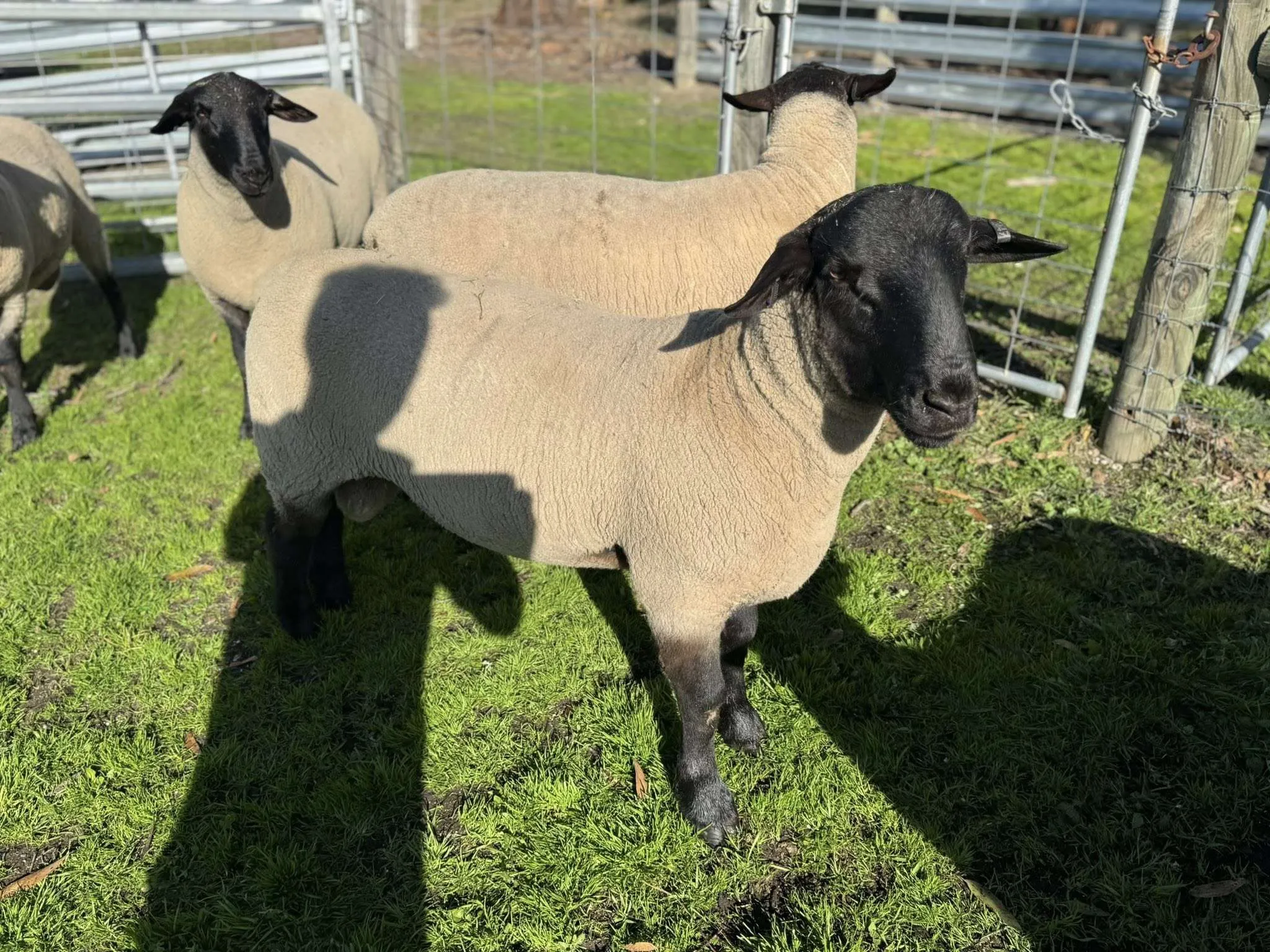
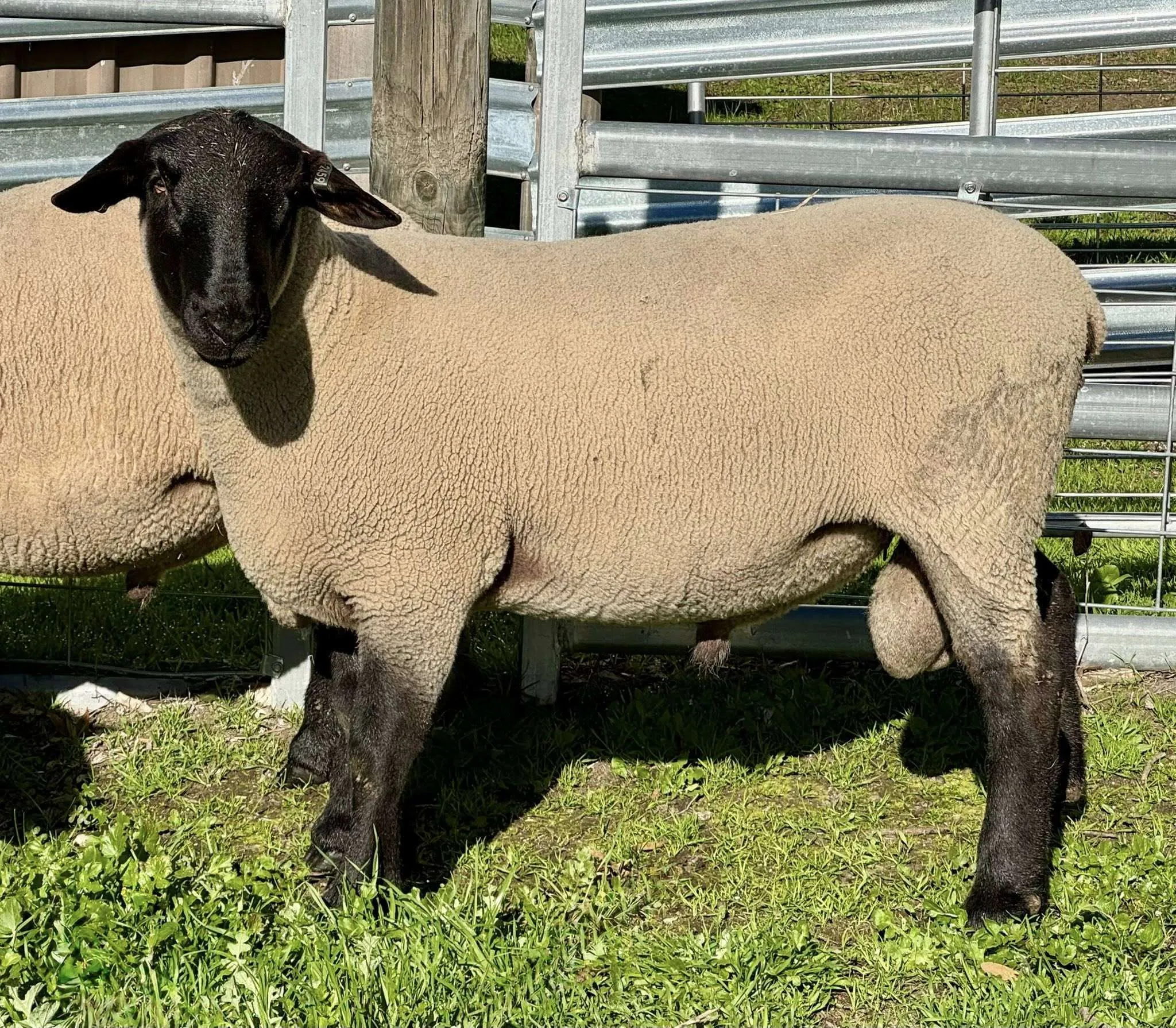
The Suffolk is a popular British domestic sheep breed, easily recognizable by its large white body and distinctive black, hornless face and legs. Developed in the late 18th century primarily for its meat but also valued for its wool, the Suffolk is now common worldwide, including the United States. This breed is known for its alert, intelligent, and docile temperament, making it easy to herd and a friendly backyard animal. Care is moderate; they require ample grazing space (at least half an acre per animal), a three-sided shelter for protection, proper hydration (especially in heat), annual shearing, and routine hoof care to prevent foot rot. They are efficient grazers and generally get along well with other pets, though supervision is needed around herding dogs.
2. Focus on Farm/Owner Suitability (Selling Points)
Suffolk sheep are an excellent, low-maintenance choice for farms and backyards, thriving in most climates globally. Originally bred in Britain, this large, dual-purpose animal is highly valued for its quality meat and wool. Known for being easy to manage, Suffolk sheep are intelligent, quickly learn routines, and have a calm, friendly demeanor. They require significant grazing area, with at least a half-acre recommended per sheep, along with a simple, ventilated shelter for protection from the elements. Essential care includes providing constant fresh water and a salt lick, annual shearing, regular hoof trimming (especially in wet conditions), and deworming. They are well-suited for integration with other livestock.
3. Bulleted/Skimmable Key Facts
-
Origin & Purpose: A common British breed created in the late 18th century, popular in the U.K. and U.S. Used primarily for its meat but also provides good wool.
-
Appearance: Large sheep (200-300 lbs), approximately 29-32 inches tall. Features a distinctive white body with a black face and legs. It is hornless.
-
Temperament: Alert, intelligent, easy to herd, and generally friendly and docile, making them suitable as backyard pets.
-
Habitat: Requires at least half an acre of grazing land per sheep. Needs a simple, three-sided, ventilated shelter for protection against weather extremes.
-
Diet: Primarily an efficient grazer. Supplemental feed (alfalfa or clover hay) is necessary when grazing is limited (e.g., during winter/snow). Must avoid feeds with high copper levels. Requires daily fresh water and a salt lick.
-
Health & Care: Needs annual shearing to prevent wool matting and fly attraction. Requires regular hoof trimming (every 4-6 weeks if ground doesn’t wear them down) and dry conditions to prevent foot rot. Routine deworming by a veterinarian is necessary.
-
Compatibility: Generally calm and compatible with other pets, but interactions with strong herding dogs should be supervised.
There are no reviews yet.