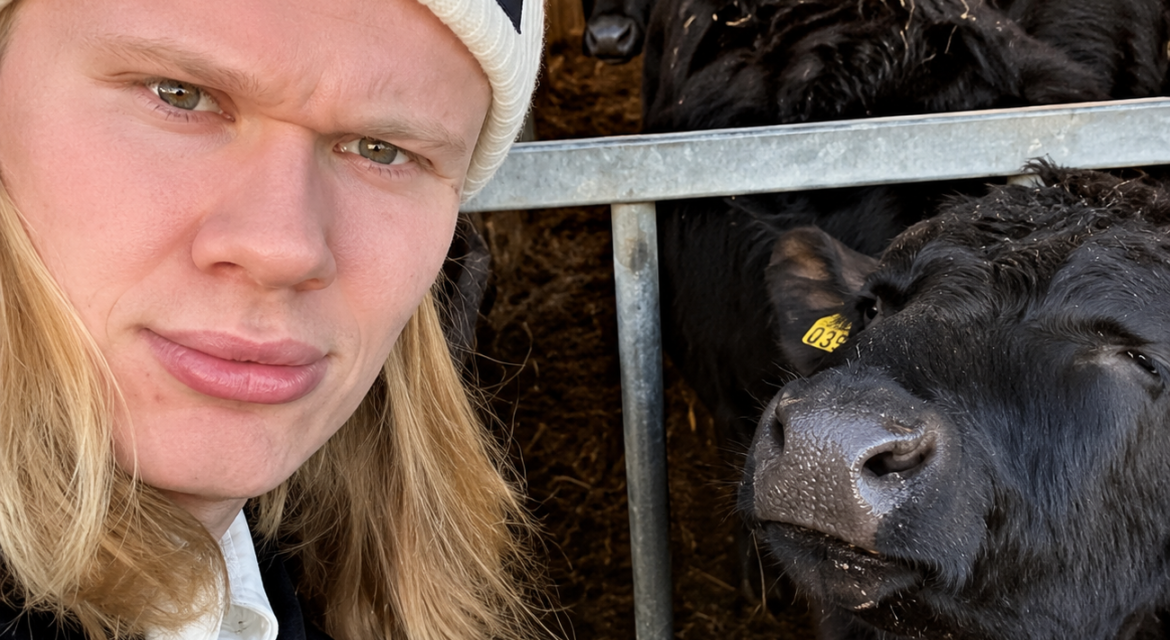
If you’re looking for farm animals for sale USA wide, you probably already know the basics feeding schedules, pasture requirements, breed comparisons. But nobody tells you the really good stuff. Like why goats have rectangular pupils that rotate when they graze. What General George Patton, Reba McEntire, and soccer superstar Erling Haaland all said about farm animals. Or why the man who organized D-Day dreamed about raising prize cattle. This is the most entertaining farm animal guide you’ll read this year and by the end of it, you’ll know exactly where to find the best cattle, horses, goats, sheep, and pigs for sale in the USA.
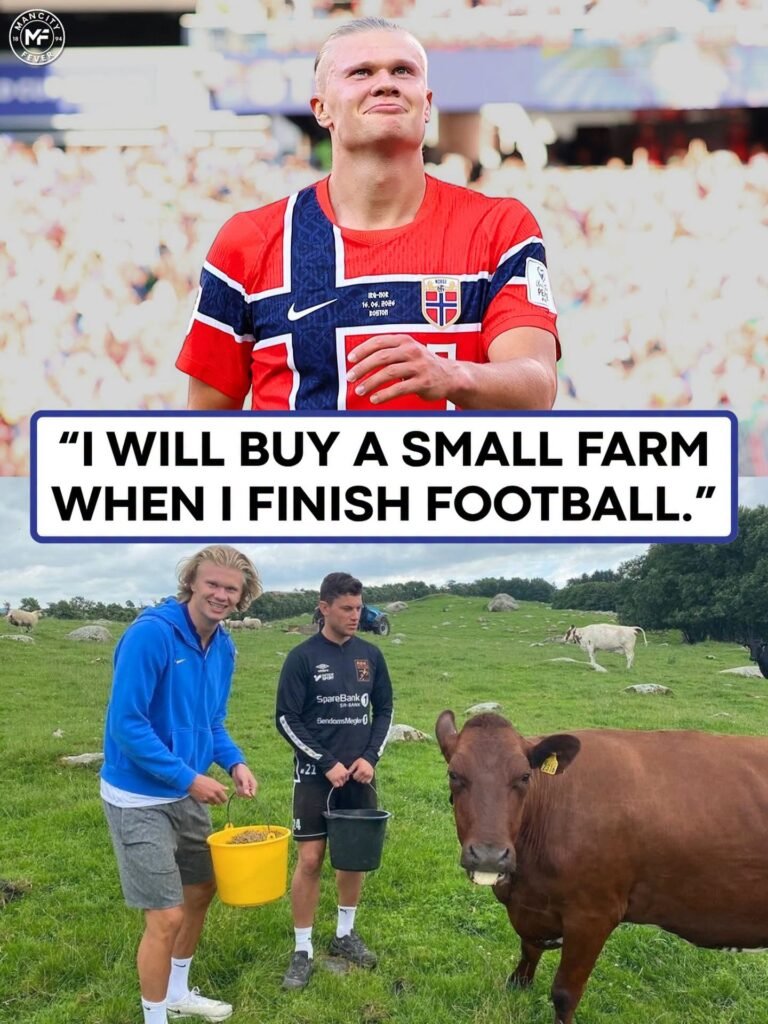
1. Cows Have Best Friends And Get Stressed When Separated
Here’s something that will make you look at your cattle herd differently. Cows form close bonds with specific individuals in the herd and when they are separated from their best friend, their heart rate increases and their stress hormone levels spike measurably. Research from the University of Northampton found that cows paired with their preferred partner showed lower stress levels, higher weight gain, and better milk production than cows housed with non-preferred animals.
So when you buy cattle for sale and bring them home, keep bonded pairs together whenever possible. Your bottom line and their happiness will thank you.
“You look at a herd of cattle and well, they all look the same… but they know. They all have an individual personality, and those personalities change from day to day. They can have their grumpy days and their happy days and their serene days.” Sherwood Anderson, American author
2. General George Patton Had Something Profound to Say About Cattle
One of the most famous quotes in leadership history actually uses cattle as the metaphor. General George S. Patton — one of the most decorated military commanders in American history — said it best:
“We herd sheep, we drive cattle, we lead people. Lead me, follow me, or get out of my way.” — General George S. Patton
Think about that for a second. Even one of history’s greatest military minds drew his leadership philosophy from farm animals. Sheep follow naturally. Cattle need to be driven. People need to be led. Farmers know this instinctively — because they live it every single day.
3. Horses Can Sleep Standing Up — But They Dream Lying Down
Horses have a remarkable anatomical feature called the “stay apparatus” — a system of tendons and ligaments in their legs that locks their joints in place, allowing them to doze while standing without falling over. This is an evolutionary survival mechanism from their days as prey animals on open grasslands — sleeping lying down for too long meant being vulnerable to predators.
However — and here’s the fascinating part — horses can only achieve full REM sleep (the deep, dream state) when lying down. A horse that never lies down is a horse that never dreams. And a horse that can’t lie down safely — due to poor footing, inadequate shelter, or anxiety — is a sleep-deprived horse that will underperform in every area.
When you bring home a mustang horse for sale or an Andalusian, give them a dry, comfortable area large enough to lie down fully. You’re not being soft — you’re protecting a significant investment.
“Horses calm me. I love being around them. They smell great, they are beautiful to look at, they are loving, demanding, temperamental, and they settle you.” — from BrainyQuote’s Horses collection
And NFL legend Terry Bradshaw said it even more directly:
“I have always felt like a fish in water with football, Fox, speeches, riding horses, and raising cattle.” — Terry Bradshaw, NFL Hall of Famer
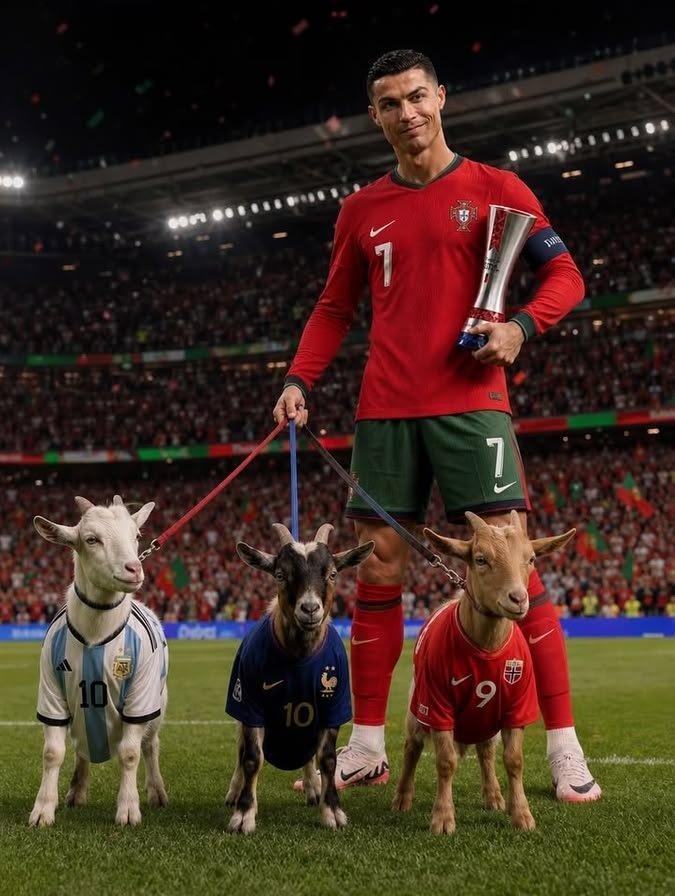
4. Goats Have Rectangular Pupils And It’s Terrifying for a Reason
Look a goat in the eyes. Go on. Those horizontal, rectangular pupils are not a design quirk — they are one of nature’s most effective predator detection systems. A goat’s rectangular pupil gives it an almost 340-degree field of vision, allowing it to see threats approaching from almost any direction without turning its head. Furthermore, when a goat lowers its head to graze, its pupils rotate to stay parallel with the ground — so it never loses its panoramic threat detection even while eating.
If you’ve ever wondered why goats are so skittish and hard to sneak up on — now you know. Their eyes are literally built to see everything.
Country music superstar Kelsea Ballerini, who grew up in Tennessee with a small farm, knows exactly how feisty these animals can be:
“I always thought it was a goat that kicked me over the fence. My mama told me the other day it was a cow. Now I’m sort of scared of both.” — Kelsea Ballerini, Country Music Superstar
Fair enough, Kelsea. Fair enough.
Browse quality goats for sale at Livestock Farm USA →
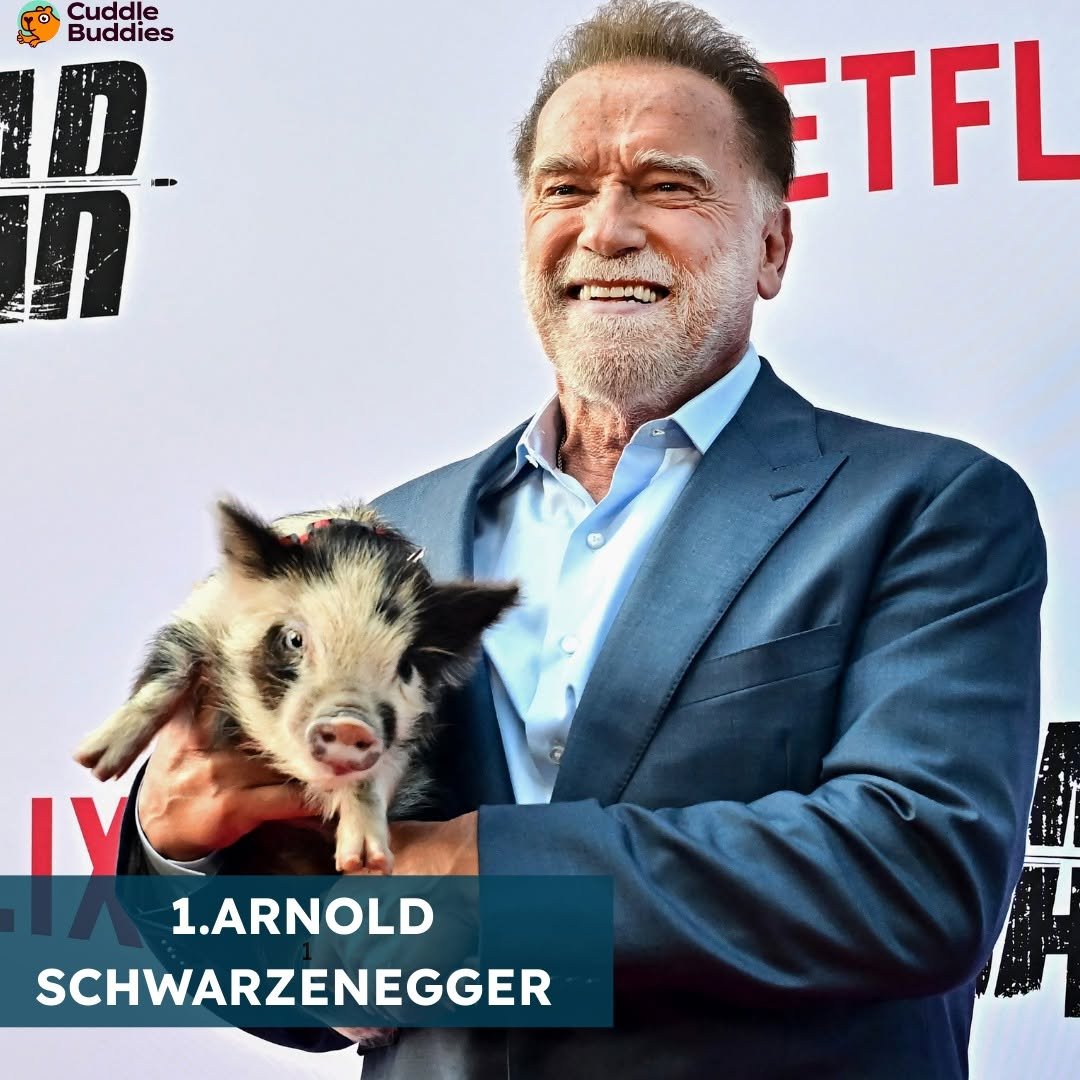
5. Pigs Are Smarter Than Dogs — And They Know It
This one consistently shocks people. Pigs have been scientifically ranked as one of the top five most intelligent animals on Earth — smarter than dogs, and in some tests, outperforming chimpanzees on certain cognitive tasks. Pigs can learn their own names, respond to commands, play simple video games using joysticks (seriously), and even understand mirrors — a test of self-awareness that most animals fail entirely.
Furthermore, pigs have an extraordinary sense of smell — reportedly 2,000 times more sensitive than a human’s — which is why they have been used in Europe for centuries to locate buried truffles worth thousands of dollars per pound.
So the next time someone calls you a pig, consider saying thank you.
“Pigs, sheep, goats and other farm animals are just as deserving of your concern as cats and dogs. They are just as affectionate and playful and in many cases just as or even more intelligent.” — Susan Haft
TV presenter and farmer Carol Bartz had an even more hands-on perspective:
“My grandmother raised me. She was a real no-nonsense but very funny lady. I drove tractors, made hay, milked cows, fed the chicken, fed the pigs.” — Carol Bartz, former Yahoo CEO
Browse heritage pigs for sale at Livestock Farm USA →
6. Reba McEntire Was Born on a Cattle Ranch And Never Forgot It
Before she was one of the biggest country music stars in history — before the Grammy Awards, the Hollywood Walk of Fame, and the television shows — Reba McEntire was a cattle rancher’s daughter from Chockie, Oklahoma. And she has never pretended otherwise:
“I grew up in southeastern Oklahoma on a working cattle ranch, and it was always very romantic to me: The West, the cowboy, the Western way of life.” — Reba McEntire, Country Music Legend
Reba’s father, Clark McEntire, was a world champion steer roper. The McEntire family raised cattle on 8,000 acres of Oklahoma ranch land. Reba grew up roping, riding, and working cattle — and she credits that upbringing for the work ethic and grit that defined her career.
The lesson? Cattle ranching doesn’t just build operations — it builds character. And some of the most successful people in America trace their toughness directly back to a livestock farm.
Browse registered Angus cattle for sale at Livestock Farm USA →
7. Sheep Can Recognize Up to 50 Different Sheep Faces and Remember Them for Years
Sheep have a reputation as the most boring, follow-the-crowd animals on a farm. That reputation is completely unfair. Research published in the journal Nature found that sheep can recognize and remember up to 50 different individual sheep faces and can identify those faces even when shown photographs taken from different angles. Furthermore, they remember human faces too, and can distinguish between calm and anxious expressions in people — adjusting their own stress levels accordingly.
Additionally, sheep have been shown to remember the faces of their shepherd for up to two years. So if you raise Lacaune dairy sheep or Dorper meat sheep, they genuinely know who you are — and they remember whether you’ve been kind to them.
“We herd sheep, we drive cattle, we lead people.” — General George S. Patton (yes, we’re quoting him again — it’s that good)
Browse dairy and meat sheep for sale at Livestock Farm USA →
8. Erling Haaland The World’s Best Soccer Player Eats Like a Cattle Rancher
Erling Haaland is arguably the most physically dominant soccer player on the planet right now. The Manchester City striker broke the Premier League scoring record in his first season and is famous for his extraordinary physical condition. So what does he eat? Grass-fed beef. Heart. Liver. And he’s not shy about it:
“People say meat is bad for you but which? The meat you get at McDonald’s? Or the local cow eating grass right over there? I eat the heart and the liver.” — Erling Haaland, Manchester City & Norway Soccer Superstar
Haaland’s high-protein, grass-fed beef diet — including organ meats that most people avoid — is a central part of his athletic preparation. His trainer has described his diet as deliberately sourced from quality, locally raised cattle. The takeaway for cattle producers? The market for premium, grass-fed beef from quality registered cattle is being driven by exactly this kind of athletic and health-conscious consumer demand.
9. The Wildest Fact About Angus Cattle That Nobody Talks About
Angus cattle — America’s most popular beef breed — are naturally polled, meaning they are born without horns. This is a genetic trait, not something achieved through dehorning. Furthermore, the Angus breed’s black coat is not just aesthetic — it provides a degree of natural UV protection in hot climates, reducing the incidence of certain eye and skin conditions that affect lighter-colored cattle.
Here’s the wildest part: the modern Angus breed as we know it was developed almost entirely from a handful of cattle found in northeastern Scotland in the mid-1800s. The entire American Angus gene pool — covering 84 million datapoints in the American Angus Association’s database — traces back to those original Scottish animals. Every registered Angus cow and bull you buy today carries that ancient lineage.
“I wanted to be a cattle rancher when I was young, because it was what I knew and I loved it.” — Barack Obama, 44th President of the United States
Even a US president had cattle ranching dreams.
Browse registered Angus cattle for sale at Livestock Farm USA →
10. Grant Wood Had His Best Ideas While Milking a Cow
Grant Wood is one of America’s most celebrated painters — the man behind American Gothic, arguably the most recognizable painting in American art history. And where did his best ideas come from?
“All the good ideas I ever had came to me while I was milking a cow.” — Grant Wood, American Painter
There’s something about the rhythm of farm life — the repetitive, meditative tasks that give your mind room to wander — that consistently produces creative breakthroughs. Farmers throughout history have known this intuitively. The barn, the pasture, and the milking parlor have produced more original thinking than most office buildings ever will.
11. Mustang Horses Have Survived Things That Would Kill a Domestic Horse
The American Mustang is not just a pretty face. These horses are the product of centuries of natural selection in some of the harshest environments North America offers — the Great Basin, the Mojave Desert, the Rocky Mountains. They have survived on sparse graze, rocky terrain, extreme temperature swings, and scarce water in conditions that would kill most domestic breeds within weeks.
Their hooves are a perfect example. Mustang hooves are legendarily hard — so tough that most Mustangs in wild or semi-wild management never need to be shod. That hardness comes from generations of horses walking miles per day over rock and hardpan, naturally conditioning their feet to a degree that no farrier can replicate artificially.
Furthermore, Mustangs have a lower metabolic rate than most domestic horses — they extract more energy from lower-quality forage. For ranch operations in areas with sparse or variable pasture, a gentle Mustang horse for sale is one of the most economical and resilient horses you can buy.
“The wildest colts make the best horses.” — Plutarch, Greek Philosopher
Plutarch said it over 2,000 years ago. Mustang owners say it every day.
Browse Mustang horses for sale at Livestock Farm USA — from $800 →
12. Winston Churchill Used a Farm Animal to Explain the Entire Economy
Winston Churchill — one of the greatest orators in human history — reached for a farm animal metaphor when he wanted to explain the difference between productive and extractive economics:
“Some people regard private enterprise as a predatory tiger to be shot. Others look on it as a cow they can milk. Not enough people see it as a healthy horse — if you want it to pull your wagon, you’ve got to feed it.” — Winston Churchill, British Prime Minister
The cow as a metaphor for extractive thinking. The horse as the symbol of productive investment. Churchill understood instinctively what every farmer knows: you cannot take from an animal without investing in it first. Feed, health, genetics, care — these are not costs. They are investments that compound.
13. A Baby Goat Recognizes Its Mother’s Voice Within Hours of Birth
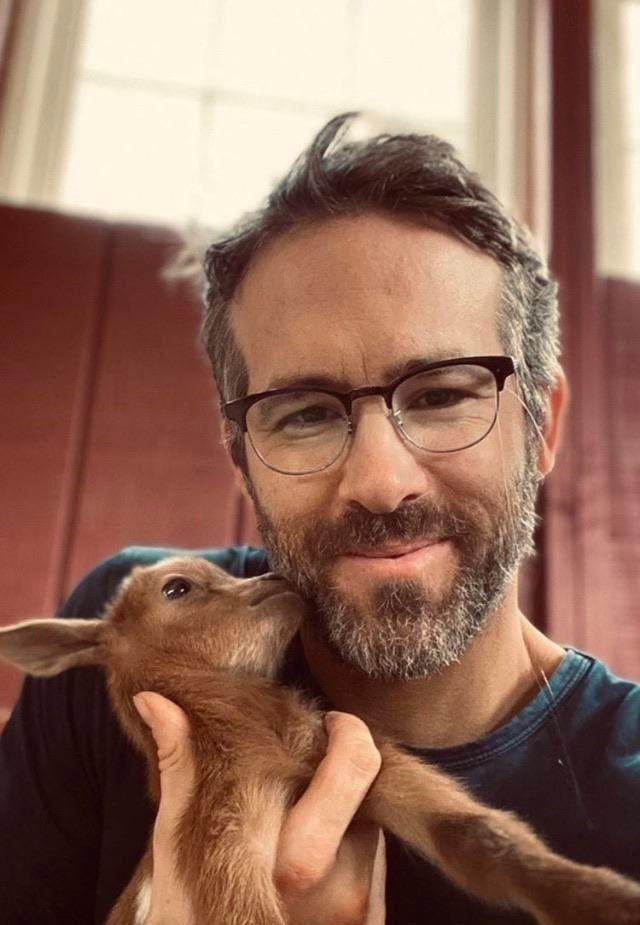
Within hours of being born, a baby goat — called a kid — learns to recognize its mother’s specific bleating call. Furthermore, the mother learns her kid’s individual call just as quickly. In a herd of 50 goats, a doe can identify her specific kid’s voice from across the pasture and will respond to it — and to no other kid’s call.
This recognition system is so precise that researchers have found goats can maintain this vocal recognition for up to a year after weaning — long after the kid has been separated from its mother in a commercial dairy operation.
Additionally, goats are one of the few farm animals that will greet their owners with vocalizations — making distinct sounds when they see the person who feeds them, different from the sounds they make to other goats. If your goats are loud when you show up in the morning, take it as a compliment.
“We had three cows and a goat. People from New York and L.A. are like, ‘Oh my gosh, that’s a farm!’ But people in Tennessee are like, ‘That’s not a farm.'” — Kelsea Ballerini, Country Music Superstar
14. Ricky Schroder Chose Ranch Life Over Hollywood — And He’s Not Alone
Former child actor and Silver Spoons star Ricky Schroder made a choice that might surprise people who remember him from 1980s television:
“I always had a separate life than just my work. I built my own family. I have my own hobbies and interests. I have a ranch with livestock and horses. I didn’t always get my self-esteem and identity from acting. I never worked unless I wanted to.” Ricky Schroder, Actor
Schroder chose livestock and ranch life as his anchor the thing that kept him grounded when the entertainment industry did what it always does. He’s not alone. Carroll Shelby the legendary designer of the Ford Shelby Mustang — kept 4,000 acres of cattle in Texas alongside 65 acres of miniature horses. Sam Shepard, the playwright and actor, said simply:
“I keep endlessly busy with all kinds of stuff, mostly horses, cattle, livestock, things like that.” — Sam Shepard, Actor and Playwright
There is something about owning and caring for livestock that provides a rootedness — a daily connection to something real, alive, and dependent on you — that no amount of professional success can replicate.
15. The Most Important Thing Any Farm Animal Has Ever Taught Us
Dwight D. Eisenhower — Supreme Commander of Allied Forces in World War II and 34th President of the United States — spent years thinking about what a good life looked like. Eventually, he arrived at this:
“But I think a life of raising prize cattle, going shooting two or three times a year, fishing in the summer, and interspersing the whole thing with some golf and bridge and whenever I felt like talking or writing, doing it with abandon and with no sense of responsibility whatsoever maybe such a life wouldn’t be so bad.” — Dwight D. Eisenhower, 34th President of the United States
The man who organized D-Day. The man who built the Interstate Highway System. The man who held the Western world together during the most dangerous decade of the Cold War. His vision of the ideal life? Raising prize cattle.
That tells you everything you need to know about what livestock farming means to the people who truly understand it.
The Best Farm Animals for Sale USA: Which One Is Right for You?
Ready to Start Your Own Chapter?
Whether you’re inspired by Reba McEntire’s cattle ranch roots, Terry Bradshaw’s love of horses, Erling Haaland’s obsession with grass-fed beef, or Eisenhower’s dream of a prize cattle life Livestock Farm USA has the animals to make it happen.
We carry registered Angus cattle, Mustang and Andalusian horses, Boer and Saanen goats, Lacaune and Dorper sheep, and heritage pigs — all from biosecure herds with complete health documentation, shipped nationwide.
Browse what’s available right now:
Want to talk before you buy? Our team responds within one business day. For the fastest response, send us a WhatsApp message at +1 (805) 387-3094 — we’re ready when you are.
About the Author
Joe Wissel is a livestock specialist and farm writer at Livestock Farm USA. When he’s not researching cattle genetics or sheep milk production, he’s finding out what famous people have to say about the animals that built America.
Questions about any of our animals? WhatsApp us here → or contact our team.
Sources: BrainyQuote — Cattle, Cow, Horses, Farm, and Livestock quote collections; AZ Quotes — Cattle collection; University of Northampton — Cow Social Bonding Research; Nature journal — Sheep Facial Recognition Study; Scientific American — Pig Intelligence Research; American Angus Association — Breed History; Bureau of Land Management — Mustang History and Management.