




How Lacaune Compares to Other Popular US Sheep Breeds
Buyers new to sheep farming often research multiple breeds before committing — and several high-search-volume breeds come up repeatedly in the US market. Here is how Lacaune stacks up against the most commonly searched sheep breeds in the USA in 2026, so you can make a fully informed decision.
Lacaune vs. Dorper Sheep
The Dorper sheep is one of the most popular meat breeds in the United States fast-growing, hardy, and well-suited to hot, arid climates across the American South and Southwest. Dorper sheep are prized for their rapid growth rates, carcass quality, and low-maintenance shedding coat. They are outstanding meat animals but produce very little milk typically less than 1 liter per day, compared to a Lacaune ewe’s 2–3 liters at peak production.
If your goal is meat production or a low-maintenance sheep operation on range land, Dorper sheep are an excellent choice. We carry Dorper sheep at Livestock Farm USA — browse our sheep inventory →. If your goal is sheep milk production, cheese, or dairy income, the Lacaune outperforms the Dorper on every relevant measure.
Lacaune vs. Katahdin Sheep
Katahdin sheep are a hair sheep breed developed in the United States specifically for meat production and low-maintenance management. Like Dorpers, Katahdins shed their coat naturally eliminating shearing costs entirely and are highly parasite-resistant, making them one of the most popular beginner sheep breeds in the eastern US.
Katahdins are excellent meat sheep but are not dairy animals. Their milk production is limited to what their lambs need for nursing not nearly enough to justify a dairy operation. The Katahdin’s real strength is as a commercial meat sheep on farms without milking infrastructure. For sheep milk production buyers, the Lacaune is in an entirely different category.
Lacaune vs. Suffolk Sheep
The Suffolk sheep is the dominant commercial meat breed in the United States by registration numbers heavily muscled, fast-growing, and widely available at livestock auctions nationwide. Suffolk lambs are known for their rapid growth rates and lean, well-muscled carcasses, making them the go-to choice for commercial lamb production in the US.
Like Dorper and Katahdin, Suffolk sheep are meat animals. They produce moderate amounts of milk for nursing but are not managed as dairy animals in commercial operations. Suffolks crossed with dairy breeds (particularly East Friesian) are sometimes used in crossbreeding programs to add milk volume, but pure Suffolk sheep have no place in a dedicated sheep milk production operation.
Lacaune vs. Dall Sheep
Dall sheep are a wild North American mountain sheep species not a domesticated livestock breed. They are native to the mountain ranges of Alaska, the Yukon, and the Northwest Territories of Canada, and they are not available for purchase as farm animals. If you’ve searched for Dall sheep and landed here, you’re likely researching wild sheep species rather than livestock. For domesticated dairy sheep for sale in the USA, Lacaune and East Friesian are your two primary breed options.
The sheep breed comparison at a glance
| Breed | Primary Use | Dairy Potential | Shearing Required | US Availability |
|---|---|---|---|---|
| Lacaune | Dairy / Milk | ⭐⭐⭐⭐⭐ | Partial shedding | Limited — specialty sellers |
| East Friesian | Dairy / Milk | ⭐⭐⭐⭐⭐ | Yes | Limited — specialty sellers |
| Dorper | Meat | ⭐ | No — self-shedding | Widely available |
| Katahdin | Meat | ⭐ | No — hair sheep | Widely available |
| Suffolk | Meat | ⭐⭐ | Yes | Widely available |
| Dall Sheep | Wild species | N/A | N/A | Not for sale |
For any buyer whose goal is sheep milk production, artisanal cheese, or premium dairy income, this comparison makes the choice clear: Lacaune sheep for sale represent the only serious starting point for a productive US dairy sheep operation.
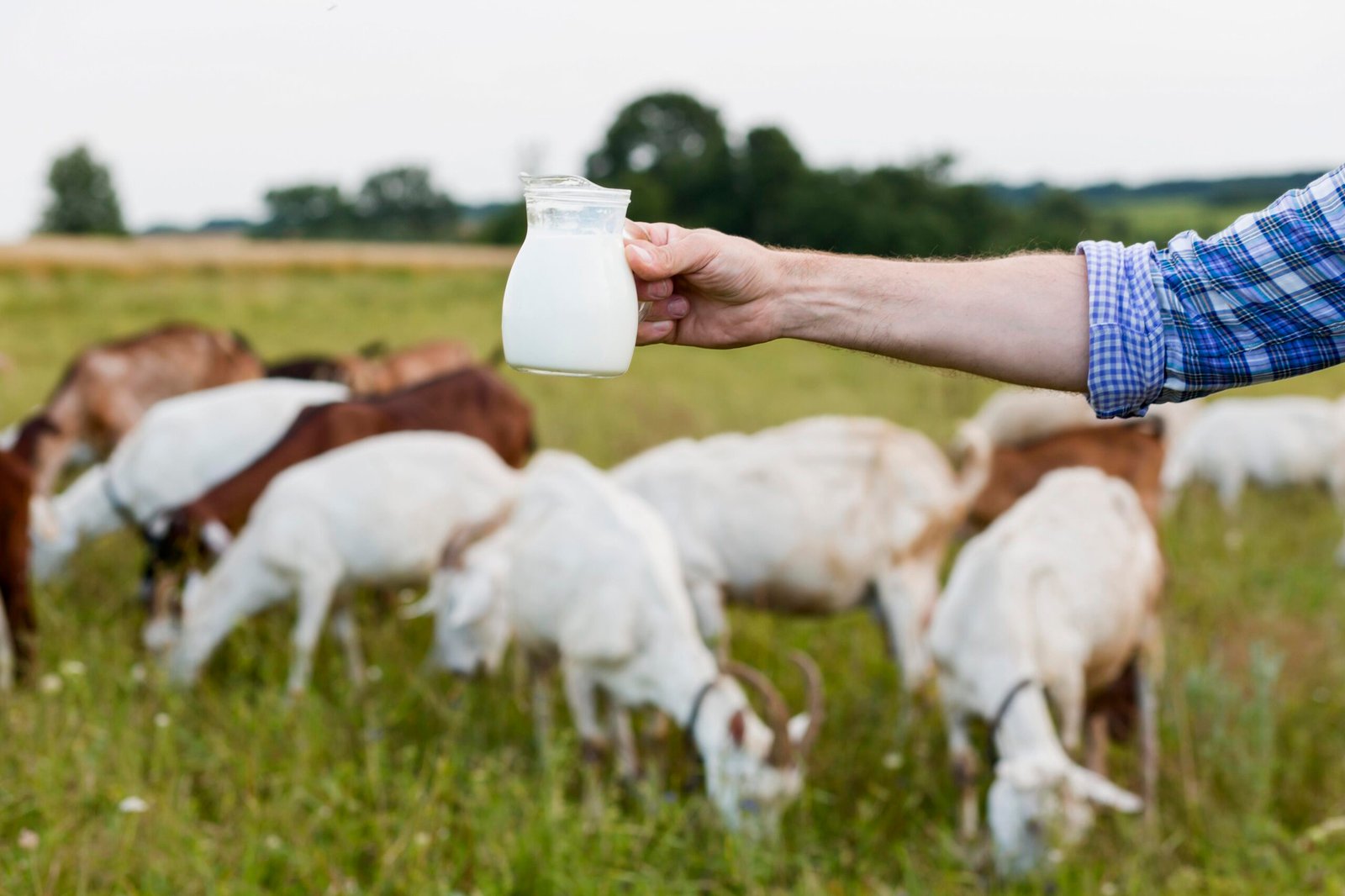
The Ideal Sheep Meadow Setup for a Lacaune Dairy Flock
A productive sheep meadow is the foundation of a low-cost, high-output Lacaune dairy operation. Sheep are natural grazers and browsers and well-managed pasture dramatically reduces your feed costs while improving milk quality and ewe health.
Pasture composition for maximum milk production
Legume-grass pastures a mix of clover or alfalfa with orchard grass, Timothy, or fescue deliver the best sheep milk production results. Legumes provide high-quality rumen-degradable protein that directly supports milk synthesis. Ewes grazing improved legume-grass pasture in peak lactation produce measurably more milk than ewes on grass-only pasture, and their milk has stronger compositional characteristics for cheese making.
Target a minimum of 0.5 acres of productive pasture per ewe during the grazing season, with rotational paddock management to prevent overgrazing. Dividing your sheep meadow into 4–6 paddocks and rotating ewes every 5–7 days allows adequate regrowth and reduces parasite larval contamination addressing both productivity and health in one management system.
Water access
Lactating Lacaune ewes require 3–5 liters of fresh, clean water per day at peak milk production more in hot weather. Water availability is one of the most commonly overlooked milk production constraints on small US sheep farms. Ensure water is accessible within the sheep meadow at all times, not just at the barn ewes that have to travel far from grazing areas to drink will reduce their time grazing and their daily milk yield.
Shade and shelter in the sheep meadow
Lacaune sheep are hardy, but thermal stress in hot US summers reduces milk production significantly. Ensure your sheep meadow includes access to natural shade (trees, hedgerows) or artificial shade structures during peak summer heat. Shade cloth shelters positioned at the far end of paddocks encourage ewes to graze the full paddock rather than congregating near the barn, improving your pasture utilization and keeping individual ewe intakes higher.
Buying quality Lacaune sheep for sale is only the first step. Having the right infrastructure in place before your animals arrive makes the transition smoother and protects your investment.
Milking equipment
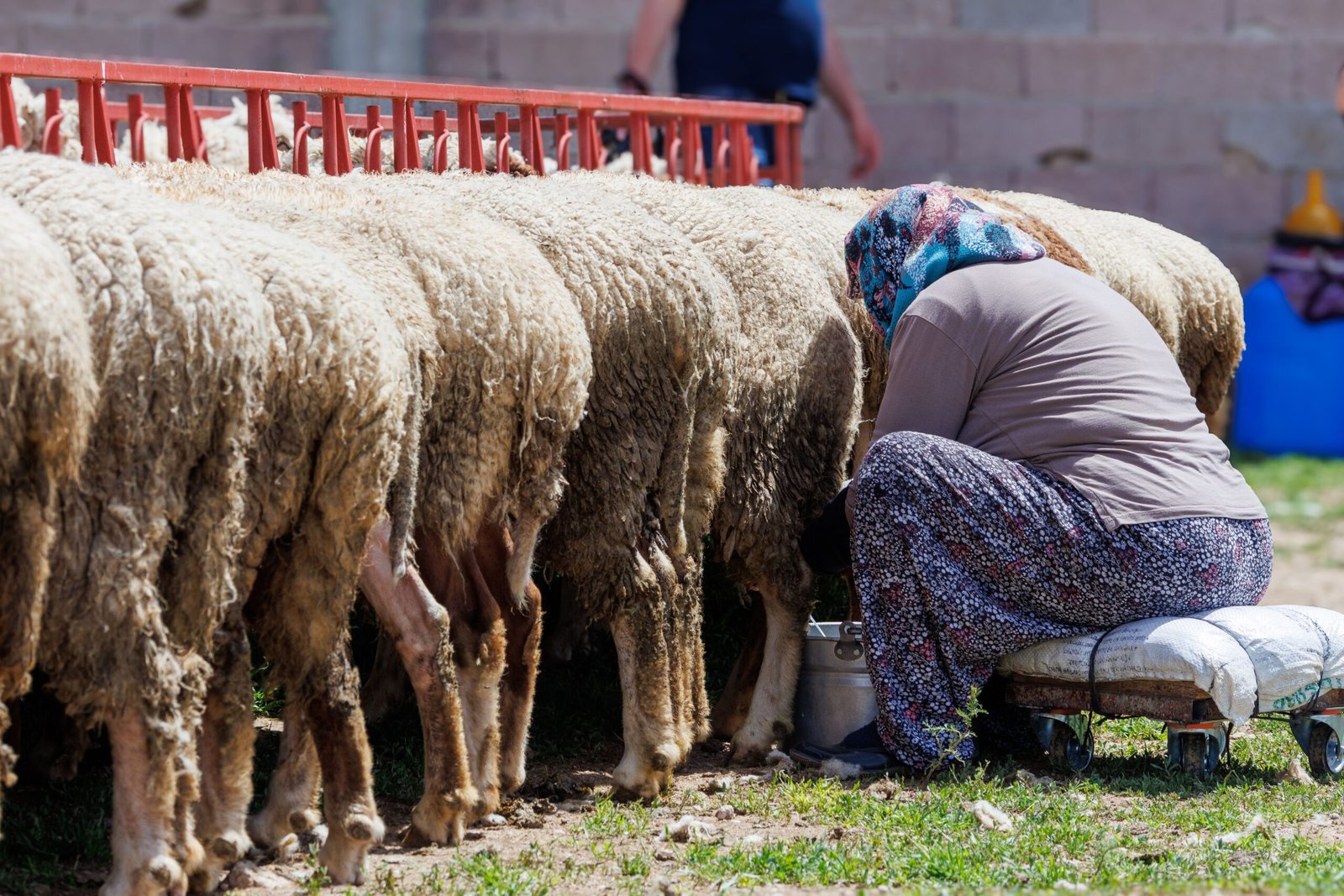
For small flocks of fewer than 150 ewes, consider an elevated platform with milking buckets. For larger operations, a dedicated milking parlor with pipeline milking significantly reduces labor and improves milk hygiene. Lacaune sheep have well-formed udders that are well-suited to mechanical milking a practical advantage over some other dairy breeds.
Housing
Dairy ewes need 15–20 square feet per animal in barn or shelter space, with dry flooring, adequate ventilation, and separation capability for ewes pre- and post-lambing. Lacaune sheep are hardy but benefit from draft-free shelter during cold winters and shade during hot summers.
Fencing
Sheep require perimeter fencing that is tighter and lower than cattle fencing. Woven wire with a top strand of electric wire is the most effective configuration. Lacaune sheep are not as notorious for fence-testing as goats, but gaps in fencing are exploited quickly — inspect your perimeter before your animals arrive.
Feed and nutrition
Lacaune sheep thrive on high-quality forage legume-grass pastures deliver the best milk production results. Supplementation with grain during peak lactation improves yield, but Lacaune sheep are efficient converters that don’t require the high-input feeding programs needed for some other dairy breeds. Work with a livestock nutritionist or extension specialist to develop a feeding program matched to your pasture quality and production goals.

Managing Your Lacaune Dairy Flock Through the Seasons
One of the most important things buyers of Lacaune sheep for sale need to understand is that sheep milk production is seasonal — and managing that cycle well is what separates profitable operations from struggling ones.
The Lacaune lactation and breeding calendar
Lacaune sheep, like most dairy sheep breeds, are seasonally polyestrous meaning they naturally cycle and breed in the fall (August through December), lamb in late winter and early spring (January through April), and produce milk through spring and summer before drying off in fall. A typical Lacaune lactation cycle runs 210–240 days.
Here is a simplified annual calendar for a well-managed Lacaune flock:
| Month | Key Activity |
|---|---|
| August–October | Breeding season — introduce ram to ewes |
| November–December | Early pregnancy — maintain body condition |
| January–March | Late pregnancy — increase nutrition; prepare lambing area |
| February–April | Lambing — peak activity; colostrum management critical |
| March–May | Early lactation — peak milk production; twice-daily milking begins |
| May–August | Full lactation — consistent milking; pasture rotation |
| September–October | Drying off — reduce milking frequency; flush ewes for breeding |
| October | Repeat breeding season |
Understanding this calendar lets you plan your market relationships, cash flow, and labor needs accurately before you buy Lacaune sheep for sale and commit to a dairy operation.
Managing the dry period and flushing
The dry period — the 6–8 weeks between drying off and lambing — is critical for ewe body condition and next-season milk production. Ewes that enter lambing in poor body condition produce less colostrum, have weaker lambs, and underperform in the following lactation. Conversely, overfat ewes face increased lambing complications. Target a body condition score of 3.0–3.5 at drying off.
Flushing increasing the nutritional plane of ewes 2–4 weeks before the ram is introduced significantly increases ovulation rate and therefore lambing percentage. For Lacaune ewes already averaging 1.8–2 lambs per birth, proper flushing can push that higher, increasing your lamb revenue and replacement ewe numbers simultaneously.
Extending the milking season
Advanced dairy sheep operations use light manipulation and accelerated lambing programs to extend the milking season and even out cash flow across more months of the year. By introducing artificial lighting regimes in midsummer, ewes can be brought into estrus earlier shifting lambing to late fall and extending milking into winter months when seasonal supply is lowest and milk prices are typically highest.
This is an advanced management strategy better suited to established operations than first-year buyers, but it illustrates the income optimization potential that serious Lacaune sheep milk production operations are capable of achieving with the right genetics and management.
Colostrum and lamb management
In the first 24–48 hours after lambing, ewes produce colostrum the antibody-rich first milk that is critical for newborn lamb immunity. Dairy operations face a specific decision at this point: allow lambs to nurse naturally (reducing early milk harvest but improving lamb health outcomes), or hand-raise lambs on stored colostrum and milk replacer (maximizing milk available for sale from the first week of lactation).
Most small-scale US Lacaune operations allow natural nursing for the first 24–48 hours, then transition lambs to supplemental feeding at 3–5 days old. This approach balances lamb health with early milk harvest and is the most practical system for operations without dedicated lamb-rearing infrastructure.
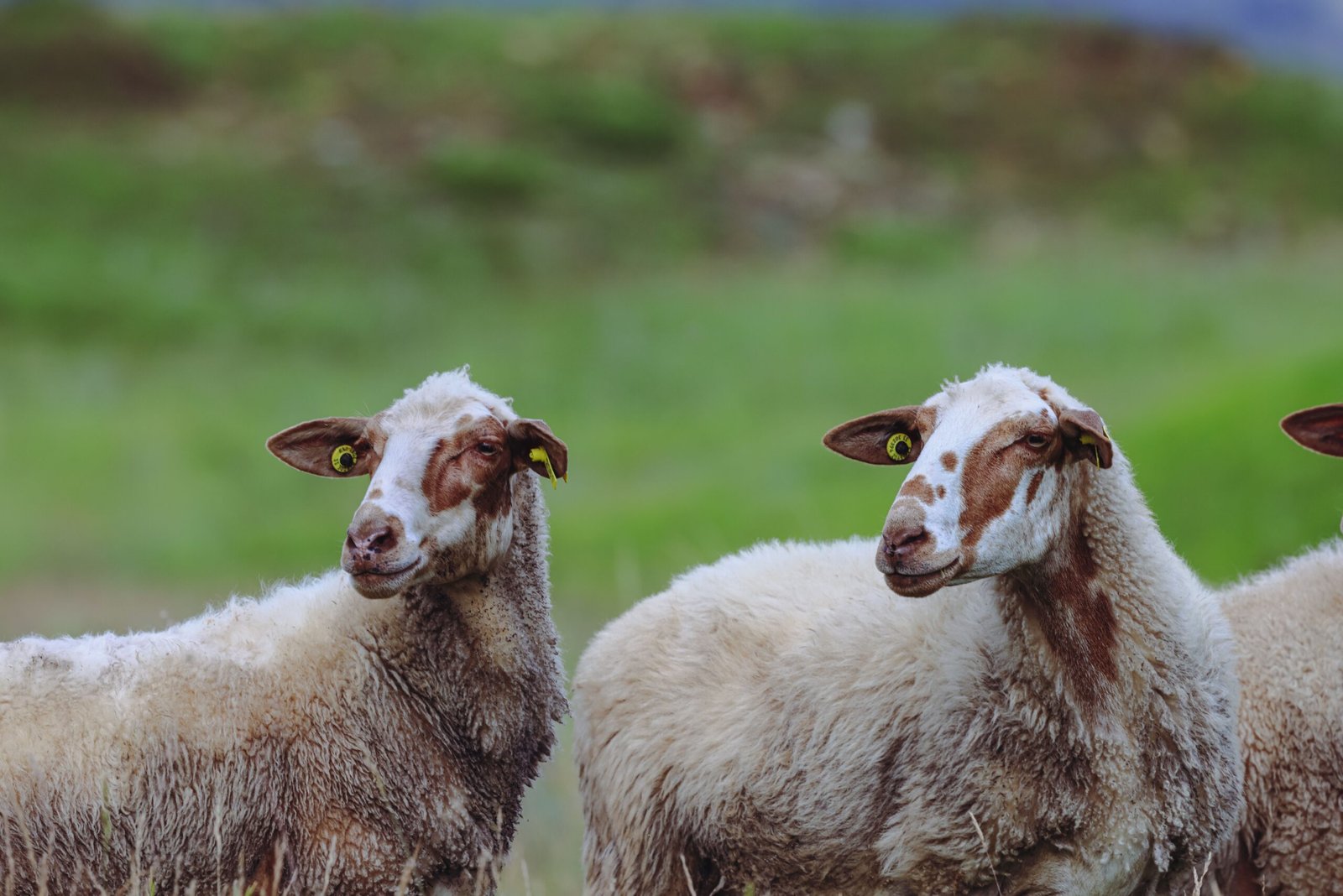
How Much Do Lacaune Sheep for Sale Cost in the USA in 2026?
Pricing for Lacaune sheep for sale in the USA varies based on age, genetics, production history, and registration status.
| Animal Type | Typical Price Range |
|---|---|
| Lacaune ewe lamb (under 12 months) | $300–$600 |
| Lacaune yearling ewe (12–24 months) | $500–$900 |
| Proven milking Lacaune ewe (with production records) | $700–$1,400+ |
| Lacaune x East Friesian cross ewe | $250–$550 |
| Registered Lacaune ram | $800–$2,000+ |
| Bred Lacaune ewe (confirmed pregnant) | Add $150–$300 premium |
At Livestock Farm USA, our Lacaune sheep for sale are priced to reflect genuine dairy genetics — not auction-pen unknowns. Every animal comes with complete health documentation, and our team works directly with buyers to match the right animals to their production goals and budget.
Browse Lacaune Sheep for Sale at Livestock Farm USA →
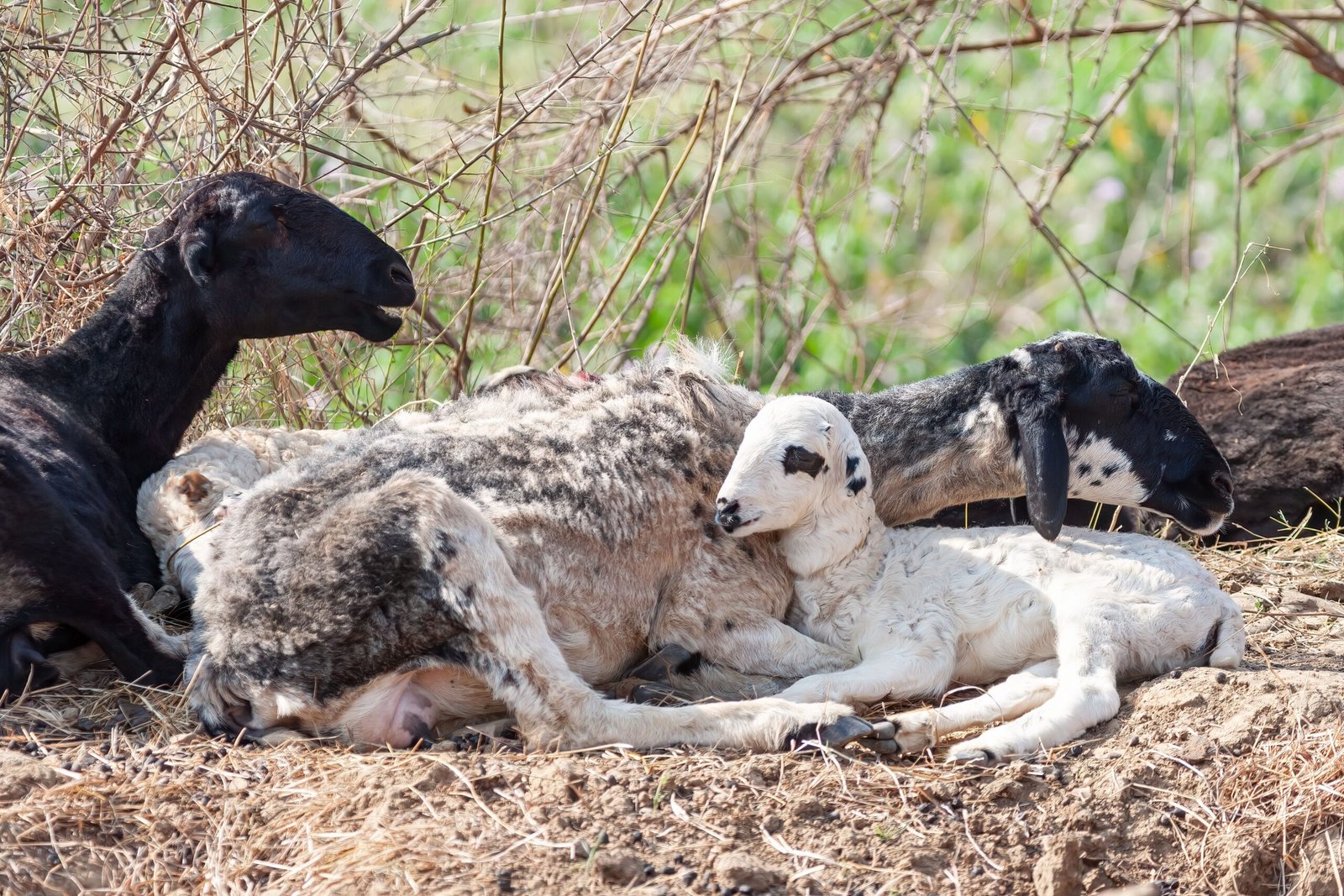
Common Health Issues in Dairy Sheep and How to Prevent Them
Protecting your investment in Lacaune sheep for sale starts with understanding the health challenges most likely to affect a US dairy sheep operation and having prevention protocols in place before your animals arrive.
Ovine Progressive Pneumonia (OPP)
OPP is the single most important disease to test for before purchasing any Lacaune sheep for sale. It is a chronic, incurable lentiviral disease that progressively damages the lungs, udder, joints, and nervous system. Infected ewes show reduced milk production, hard udder tissue, weight loss, and eventually respiratory failure. The disease spreads through colostrum and milk from infected ewes to lambs, and through close contact between animals.
Always request negative OPP ELISA test results before purchasing. Buy from OPP-free tested flocks wherever possible. At Livestock Farm USA, all dairy sheep are sourced from biosecure herds with documented OPP testing protocols.
Caseous Lymphadenitis (CL)
CL is a chronic bacterial infection caused by Corynebacterium pseudotuberculosis that creates abscesses in the lymph nodes of sheep. While not typically fatal, CL abscesses contaminate the environment when they rupture, spreading the bacteria to other animals and making the disease nearly impossible to eradicate once established in a flock. Never purchase an animal with visible external lumps or swellings near the jaw, shoulder, flank, or udder without veterinary confirmation that they are not CL abscesses.
Mastitis
Mastitis inflammation of the udder, is the most economically damaging disease in any dairy animal operation, including Lacaune sheep. It can be caused by bacterial infection, poor milking hygiene, teat injury, or overcrowding. Subclinical mastitis (no visible symptoms but elevated somatic cell counts) can reduce milk production by 10–30% in affected ewes without obvious signs.
Prevention protocols: strip and check each quarter before milking; use post-milking teat dipping with an approved disinfectant; maintain clean, dry bedding in the milking area; and monitor somatic cell counts in bulk tank milk regularly.
Internal parasites (Barber Pole Worm)
Haemonchus contortus the barber pole worm, is the leading cause of sheep mortality in the eastern United States. It is a blood-sucking stomach parasite that can kill sheep rapidly in warm, humid conditions. Lacaune sheep are moderately resistant compared to some other European dairy breeds, but no sheep is immune.
Use the FAMACHA system to monitor individual ewes for anemia and targeted selective treatment treating only animals that show clinical signs rather than whole-flock drenching, which accelerates drug resistance. Rotate pastures regularly to reduce larval contamination. In high-risk climates, work with your veterinarian to develop a parasite management protocol before lambing season.
Foot rot and foot scald
Wet conditions and poor hoof management create ideal conditions for foot rot a painful bacterial infection that causes severe lameness and significant production losses in dairy ewes. Lacaune sheep that are lame milk less, eat less, and lose body condition rapidly. Inspect and trim hooves at least twice per year at drying off and at the start of breeding season and treat any signs of foot soreness promptly.
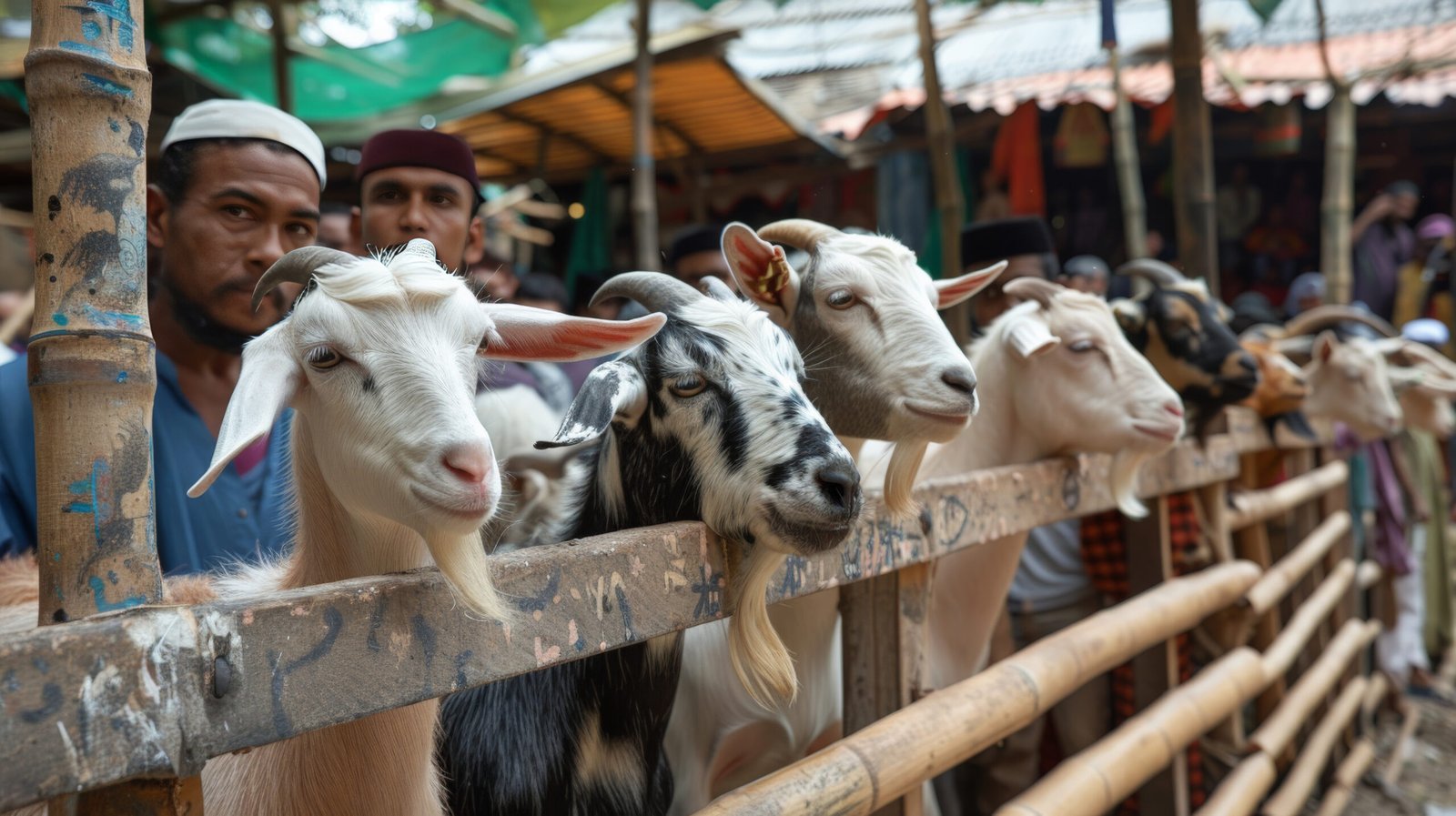
Where to Sell Your Sheep Milk and Sheep Milk Products in the USA
Buying quality Lacaune sheep for sale is the first step. Having your market identified before your first ewes come into milk is equally important. Here are the primary sales channels for US sheep milk production operations.
Direct farm sales and CSA programs
Farm-direct sales to local consumers at farmers markets, through farm stores, or via community-supported agriculture (CSA) programs deliver the highest margins of any sales channel. Sheep milk, artisanal cheese, yogurt, and soap sold directly to consumers at $30–$60 per pound (for cheese) or $10–$15 per bar (for soap) generate revenue per liter of milk that wholesale pricing cannot match. Building a local customer base takes time, but for small Lacaune operations, it is the most financially rewarding channel.
Specialty retailers and food co-ops
Natural food stores, gourmet grocery chains, and food co-ops are increasingly interested in sourcing locally produced sheep milk products. Approach these buyers with product samples, clear labeling, and a consistent supply commitment. Many specialty retailers prefer working with local producers over importing European sheep milk cheese positioning you as a domestic alternative to imported Roquefort, Manchego, and Pecorino. Your farm story fresh sheep milk cheese made from Lacaune ewes grazing a managed sheep meadow in the USA, is a powerful marketing asset that imported products simply cannot match.
Restaurant and chef accounts
Farm-to-table restaurants, boutique hotels, and private chefs are premium buyers of artisanal sheep milk cheese and specialty dairy products. These accounts typically want small, consistent quantities of unique, high-quality products exactly what a well-managed Lacaune flock produces. Build relationships with local chefs by offering farm tours and product tastings.
Selling to dairy processors
For larger Lacaune flocks producing more raw milk than can be processed on-farm, selling to a licensed sheep milk dairy processor is an option. The Dairy Sheep Association of North America (DSANA) maintains a directory of US dairy sheep processors and can help connect producers with established milk buyers in their region.
Online and mail-order sales
Aged sheep milk cheeses can be shipped legally across state lines under USDA regulations, opening your market nationwide. Platforms like Goldbelly, Local Harvest, and your own e-commerce website allow small-scale Lacaune operations to reach specialty food buyers far beyond their local geography.

Frequently Asked Questions About Lacaune Sheep for Sale
Are Lacaune sheep good for beginners? Yes — Lacaune sheep are one of the most beginner-friendly dairy sheep breeds available. Their hardy constitution, lower management intensity compared to East Friesians, and calm temperament make them well-suited to first-time dairy sheep farmers. The main requirement for success is proper milking infrastructure and a consistent feeding program. Our team at Livestock Farm USA works with first-time buyers to ensure you have everything in place before your Lacaune sheep for sale arrive. Contact us here →
How much milk does a Lacaune sheep produce per day? At peak lactation, a well-managed Lacaune ewe typically produces 2–3 liters of milk per day. Over a full 210–240 day lactation, total production ranges from 400–500 liters per ewe annually. Milk fat content averages 6–7%, and protein content averages 5–6% significantly higher than cow’s milk making every liter highly valuable for cheese and specialty dairy production.
Where can I find Lacaune sheep for sale in the USA? Lacaune sheep for sale are rare in the US market most commercial livestock auctions carry predominantly meat breeds. The best sources are licensed specialty farm sellers like Livestock Farm USA, breed association networks, and ADGA or Dairy Sheep Association of North America (DSANA) contacts. At Livestock Farm USA, we maintain a rotating inventory of dairy sheep including Lacaune genetics — browse current availability here or contact our team to be notified when new animals become available.
Is Lacaune milk good for making cheese? Lacaune milk is arguably the best sheep milk in the world for sheep milk cheese production. It is the breed behind Roquefort one of the world’s most celebrated and valuable cheeses, specifically because of its exceptionally high fat and protein content, which delivers superior cheese yield and flavor complexity. Sheep milk cheese made from Lacaune milk has a richness and depth that cow’s milk cheese simply cannot replicate. For any US buyer targeting specialty sheep milk cheese production, Lacaune is the obvious breed choice.
Can I ship Lacaune sheep to my state? Yes. Livestock Farm USA ships dairy sheep across the USA. Every animal travels with a current USDA health certificate, vaccination records, and OPP test documentation. Contact us with your zip code for a shipping estimate and timeline. Buy Lacaune sheep for sale online at Livestock Farm USA →
How does Lacaune compare to East Friesian for sheep milk production? East Friesian produces slightly more total milk volume per lactation. Lacaune produces milk with significantly higher fat and protein content per liter making it the superior breed for cheese yield and premium milk pricing. Most experienced US dairy sheep producers either run pure Lacaune herds or Lacaune x East Friesian crosses to capture the best of both breeds. We carry both Lacaune sheep for sale and East Friesian sheep for sale at Livestock Farm USA.
Ready to Start Your Sheep Milk Production Operation?
Livestock Farm USA offers Lacaune sheep for sale sourced from verified dairy genetics — biosecure ewes with documented health records, OPP-tested, and ready to integrate into your operation. Whether you’re starting your first dairy sheep flock or expanding an existing operation, our team will match you with the right animals for your milk production goals.
Currently available at Livestock Farm USA:
- Lacaune dairy ewes — ewe lambs, yearlings, and proven milking does
- East Friesian sheep for sale — for buyers building crossbreeding programs
- Lacaune x East Friesian cross ewes — high-performance hybrid dairy animals
- Registered rams with documented dairy genetics
Every Lacaune sheep for sale at Livestock Farm USA ships with a current health certificate, vaccination records, and OPP test results. We respond to all inquiries within one business day.
Shop Lacaune Sheep for Sale — Browse Current Inventory →
Want to talk through your sheep milk production goals before buying? Contact our team today → — we’ll help you build the right flock for your land, market, and budget.
About the Author
Joe Wissel is a livestock specialist and farm writer at Livestock Farm USA, covering dairy sheep breeds, sheep milk production, and farm setup guides for US buyers. His work draws on university extension research, USDA production data, and direct experience helping buyers source quality Lacaune sheep for sale across the United States.
Questions about our Lacaune sheep for sale or dairy sheep farming? Reach out here.
Sources: PMC — Dairy Sheep Production Research at the University of Wisconsin-Madison, Lacaune Dairy Farm — Lacaune Sheep Breed Pioneer in Milk Production, Agristuff — Dairy Sheep Farming for Beginners 2026, Agristuff — Sheep Milk Nutrition and US Availability 2026, MilkingSheep.com — Dairy Sheep Breeds, Tridge — Sheep Milk Global Market Overview 2026, Dairy Sheep Association of North America (DSANA), American Dairy Goat Association (ADGA).
zimerovertover
Hey There. I found your blog using msn. This is a very well written article. I’ll be sure to bookmark it and return to read more of your useful information. Thanks for the post. I’ll certainly comeback.